Era IV · 1485–1603
The Tudors
Henry VII united the red and white roses; Henry VIII married six times and broke with Rome; Elizabeth I saw off the Spanish Armada and presided over a golden age.
Overview
Henry VII married Elizabeth of York, and the red-and-white Tudor rose symbolised the reconciliation of the two houses. His son Henry VIII, determined to divorce Catherine of Aragon, declared himself Supreme Head of the Church of England in 1534, broke with Rome and dissolved the monasteries. He married six times, and two of his queens were executed.
Henry's three children reigned in turn: Edward VI pressed ahead with Protestant reform; Mary I married Philip II of Spain, restored Catholicism and burned hundreds of Protestants; Elizabeth I settled the Church of England and in 1588 saw off the Spanish Armada. Shakespeare's plays and Drake's voyage around the world belong to her age. When she died unmarried in 1603, the Tudor dynasty ended.
Imperium
The Changing Map
- England and Wales
- Calais
- Kingdom of Ireland (crown-controlled)
- Gaelic Ireland
- Kingdom of Scotland
- England and Wales
- Scotland and Ireland, under the same monarch
- Calais (lost 1558)
Borders are indicative only, approximated from modern administrative regions.
1542
1542: The Kingdom of Ireland
Henry VIII's Laws in Wales Acts of 1535 and 1542 formally annexed Wales to England, and in 1542 he made himself King of Ireland — though effective English control there was still largely limited to the Pale and the south-east. In France only Calais remained.
1603
1603: Three kingdoms, one monarch
Mary I lost Calais in 1558. At the end of Elizabeth I's reign the rebellion in northern Ireland was crushed, bringing all Ireland under the crown for the first time. When she died in 1603 James VI of Scotland succeeded, and England, Scotland and Ireland came to share one monarch.
Stemma
Family Tree
The principal figures of this era. Gold frames mark monarchs of England or Britain; diamonds mark marriages. Select a person to open their entry.
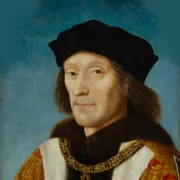 Henry VII1457–1509
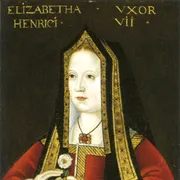 Elizabeth of York1466–1503
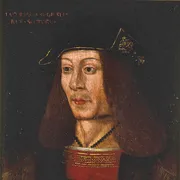 James IV of Scotland1473–1513
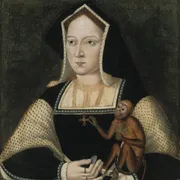 Catherine of Aragon1485–1536
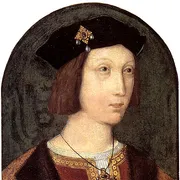 Arthur, Prince of Wales1486–1502
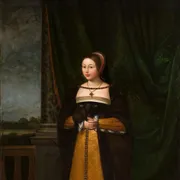 Margaret Tudor1489–1541
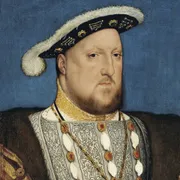 Henry VIII1491–1547
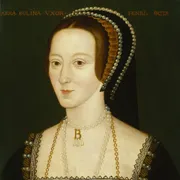 Anne Boleyn1501–1536
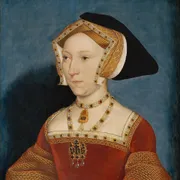 Jane Seymour1508–1537
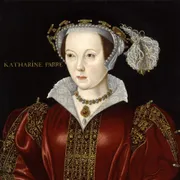 Catherine Parr1512–1548
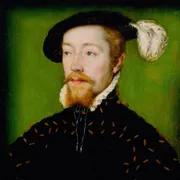 James V of Scotland1512–1542
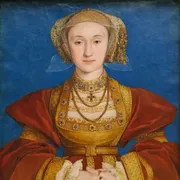 Anne of Cleves1515–1557
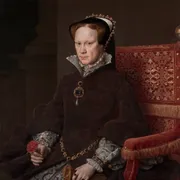 Mary I1516–1558
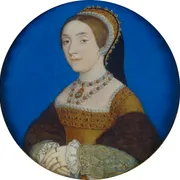 Catherine Howard1523–1542
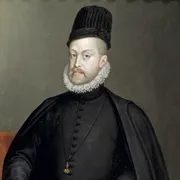 Philip II of Spain1527–1598
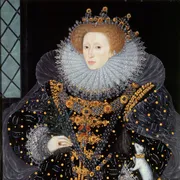 Elizabeth I1533–1603
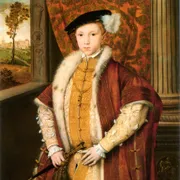 Edward VI1537–1553
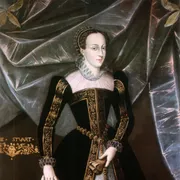 Mary, Queen of Scots1542–1587
Chronica
Chronology
- 148522 August 1485
Battle of Bosworth
Henry Tudor defeated Richard III, who was killed; Richard's crown, it is said, was found in a hawthorn bush and placed on Henry's head. The Tudor age began.
- 148618 January 1486
Union of the roses
Henry VII married Elizabeth of York, reconciling Lancaster and York and ending the Wars of the Roses.
- 150911 June 1509
Henry VIII marries Catherine of Aragon
Soon after his accession the seventeen-year-old Henry VIII married his brother Arthur's widow, with a papal dispensation.
- 15139 September 1513
Battle of Flodden
While Henry VIII was in France, James IV of Scotland invaded England and was killed at Flodden. Queen Catherine was governing England as regent.
- 1534November 1534
Act of Supremacy
Parliament declared the king Supreme Head of the Church of England, completing the break with Rome. Thomas More, who refused the oath, was executed the next year.
- 1536
Dissolution of the monasteries
Between 1536 and 1541 Henry VIII closed some eight hundred monasteries and seized their lands and wealth, most of which were sold on to nobles and gentry.
- 153619 May 1536
Execution of Anne Boleyn
Accused of adultery and treason, Anne Boleyn was beheaded in the Tower; her daughter Elizabeth was two years old.
- 155319 July 1553
Mary I becomes queen
After Edward VI's death the Duke of Northumberland proclaimed Lady Jane Grey queen, but the people rallied to Henry VIII's daughter Mary. After nine days Jane was deposed and Mary became queen.
- 155425 July 1554
Mary I marries Philip of Spain
Mary married the Habsburg Philip in Winchester Cathedral. The match had provoked Wyatt's Rebellion, as many feared England would become a Spanish satellite.
- 15587 January 1558
Loss of Calais
Calais, England's last foothold in France, fell. Mary I is said to have declared that when she died, "Calais" would be found written on her heart.
- 158026 September 1580
Drake returns from circumnavigating the globe
Francis Drake returned in the Golden Hind from the second voyage around the world, laden with Spanish treasure, and was knighted by Elizabeth I the next year.
- 15878 February 1587
Execution of Mary, Queen of Scots
Implicated in a plot to assassinate Elizabeth I, Mary was beheaded at Fotheringhay — one of Spain's reasons for launching the Armada.
- 158829 July 1588
Defeat of the Spanish Armada
The English fleet mauled the Spanish Armada off Gravelines; the survivors sailed home around Scotland and Ireland and were wrecked in great numbers by storms.
- 160031 December 1600
East India Company founded
Elizabeth I chartered the East India Company with a monopoly of trade with Asia. It went on to rule India and, in the nineteenth century, to ship opium to China.
Personae
People of this Era
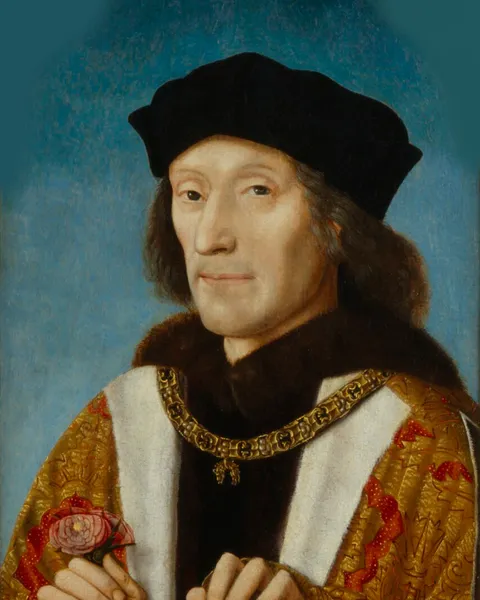 Henry VII1457–1509
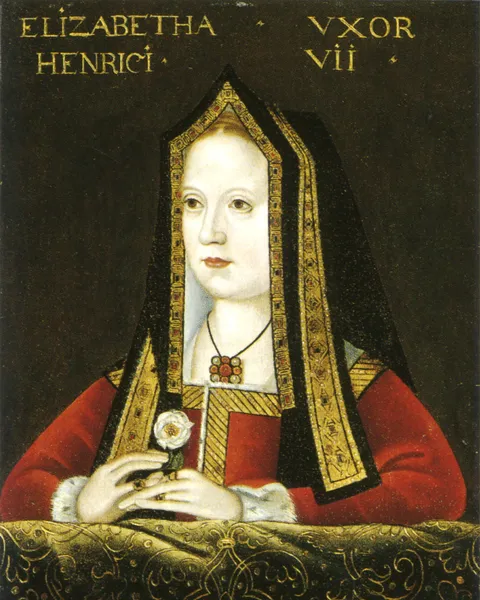 Elizabeth of York1466–1503
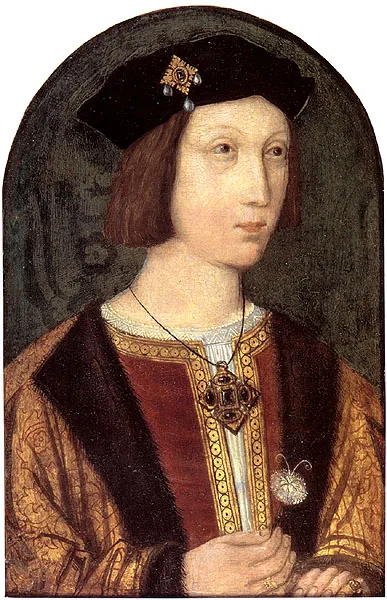 Arthur, Prince of Wales1486–1502
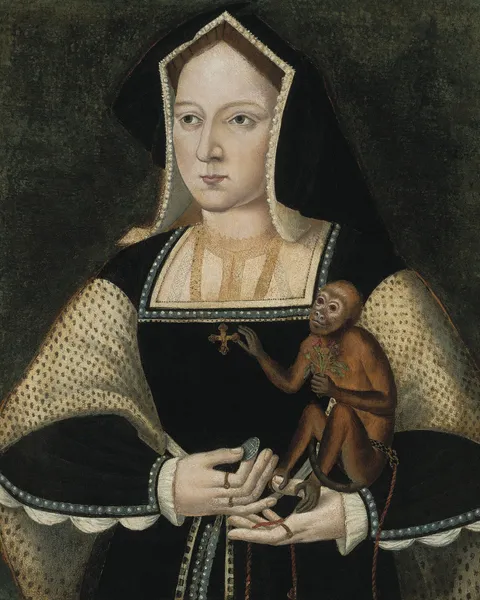 Catherine of Aragon1485–1536
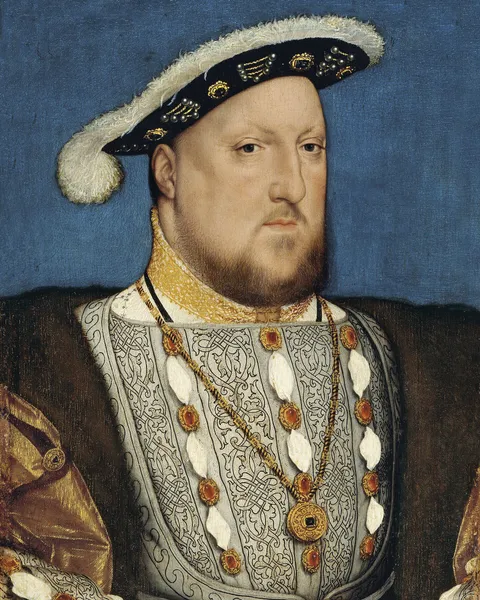 Henry VIII1491–1547Biography
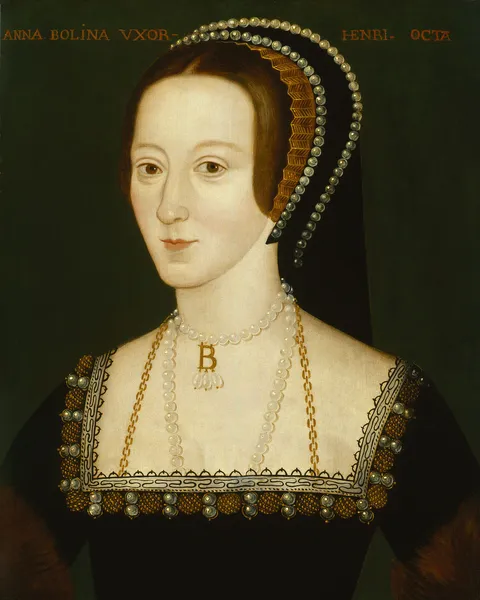 Anne Boleyn1501–1536
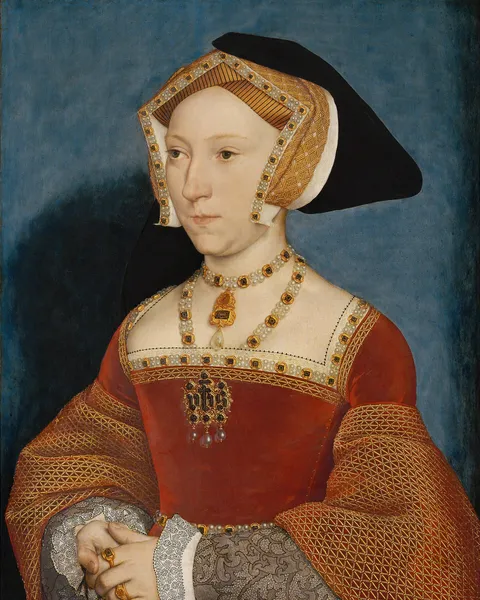 Jane Seymour1508–1537
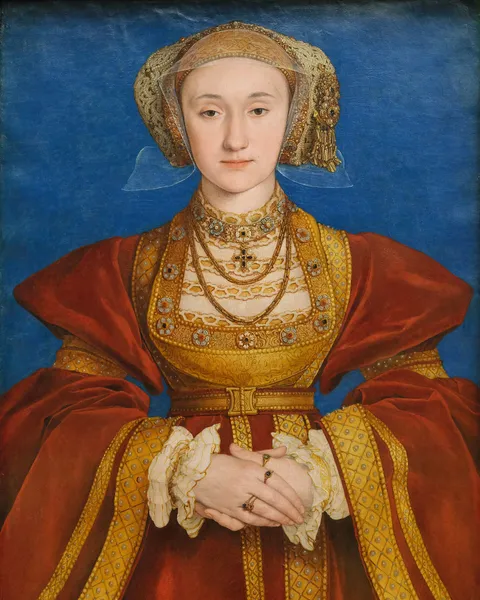 Anne of Cleves1515–1557
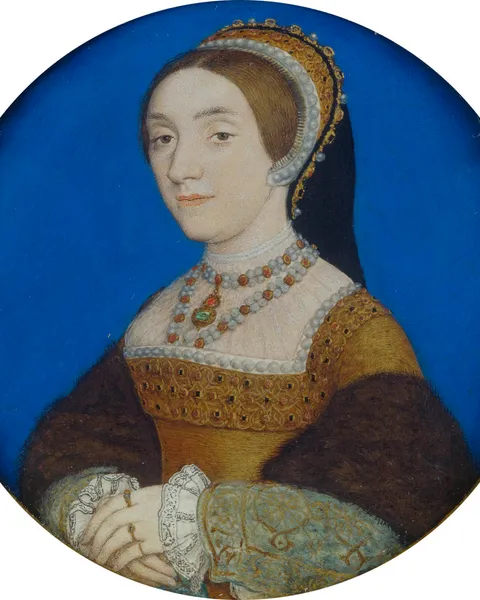 Catherine Howard1523–1542
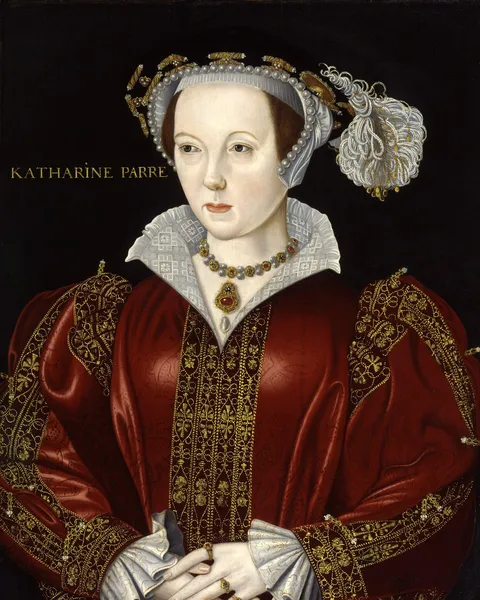 Catherine Parr1512–1548
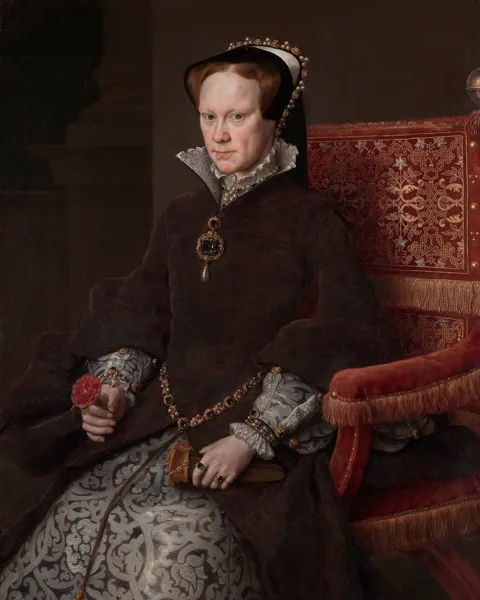 Mary I1516–1558
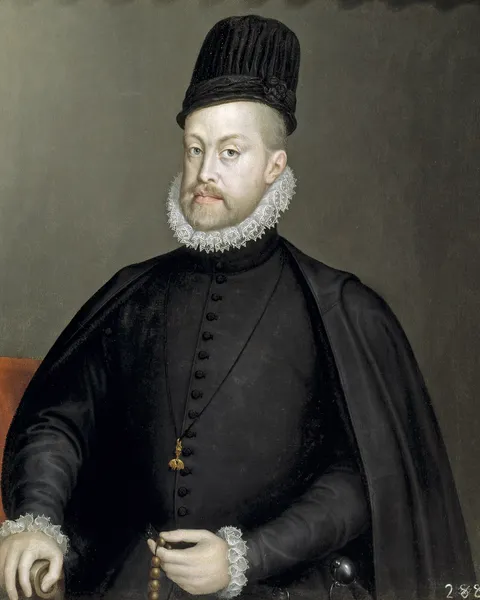 Philip II of Spain1527–1598
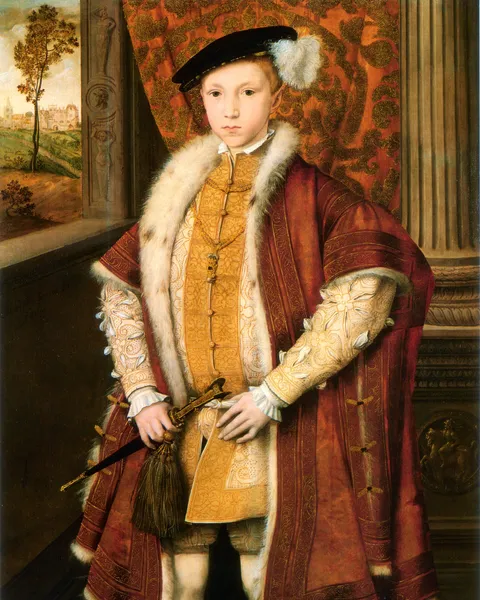 Edward VI1537–1553
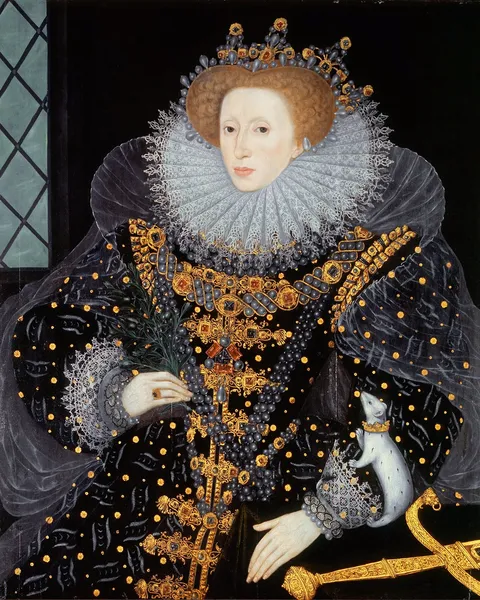 Elizabeth I1533–1603Biography
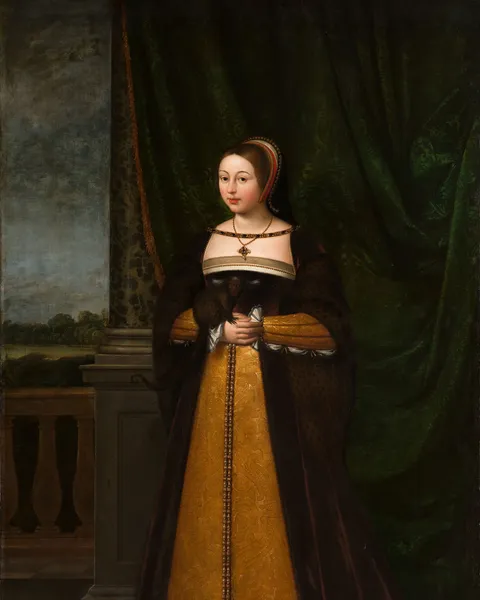 Margaret Tudor1489–1541
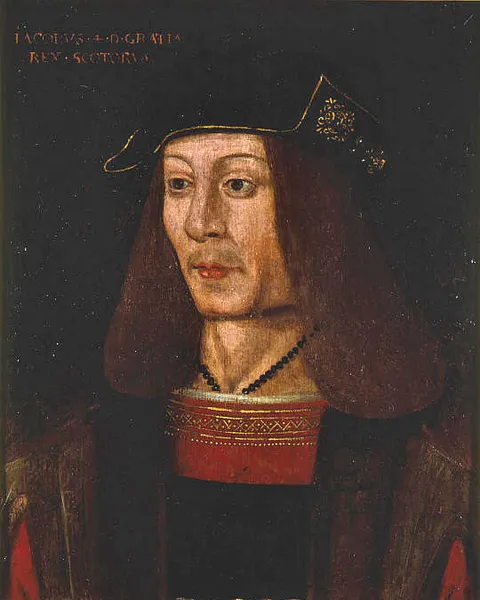 James IV of Scotland1473–1513
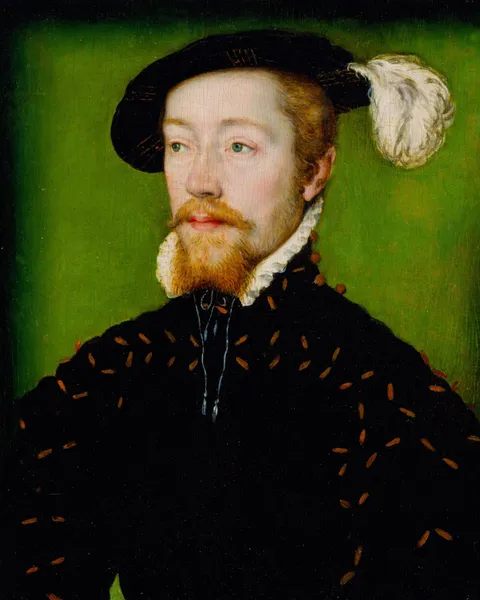 James V of Scotland1512–1542
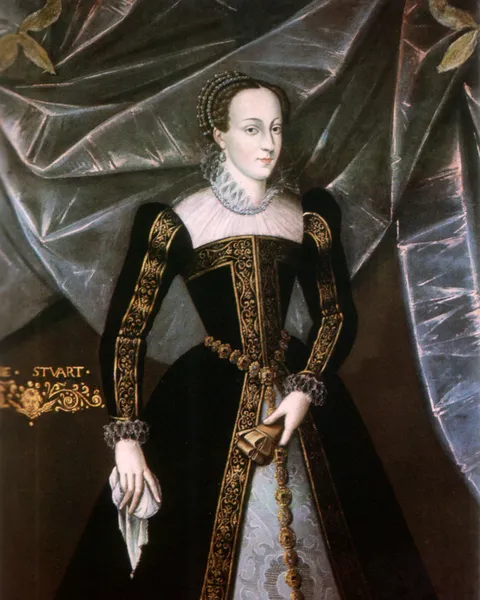 Mary, Queen of Scots1542–1587