Era V · 1603–1714
The Stuarts
James VI of Scotland became King of England too. Civil war ended with the execution of Charles I and Cromwell's republic; the Glorious Revolution established the sovereignty of Parliament, and in 1707 the two kingdoms united as Great Britain.
Overview
In 1603 James VI of Scotland inherited the English throne as James I, and England and Scotland came to share a monarch. His son Charles I clashed with Parliament over taxation and religion, and in 1642 civil war broke out. Parliament's forces under Oliver Cromwell won; in 1649 Charles I was executed and England became a republic. In 1660 Charles II was restored.
Charles II's brother James II was a Catholic. In 1688 Parliament invited his son-in-law, the Dutch Prince William of Orange, to cross the sea; James fled to France in what became known as the Glorious Revolution. The Bill of Rights of 1689 limited royal power and established the sovereignty of Parliament. In 1707 England and Scotland formally united as the Kingdom of Great Britain. When Queen Anne died in 1714, the Stuart dynasty ended.
Imperium
The Changing Map
- Commonwealth of England, Scotland and Ireland
- Kingdom of Great Britain
- Kingdom of Ireland
Borders are indicative only, approximated from modern administrative regions.
1653
1653: The Protectorate
After the Civil War Cromwell conquered Ireland and Scotland and merged the three nations into a single Commonwealth under the Lord Protector — the first time one government ruled all the British Isles. With the Restoration in 1660 the three were separated again, sharing only a monarch.
1707
1707: The Kingdom of Great Britain
The Acts of Union joined England and Scotland in the Kingdom of Great Britain, with a single Parliament at Westminster, though each kept its own legal system and church. Ireland remained a separate kingdom under the same monarch.
Stemma
Family Tree
The principal figures of this era. Gold frames mark monarchs of England or Britain; diamonds mark marriages. Select a person to open their entry.
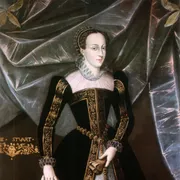 Mary, Queen of Scots1542–1587
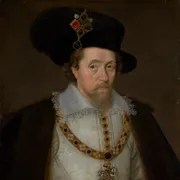 James I1566–1625
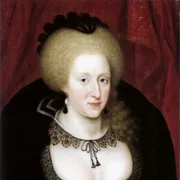 Anne of Denmark1574–1619
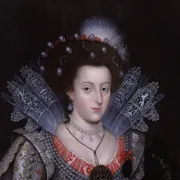 Elizabeth Stuart1596–1662
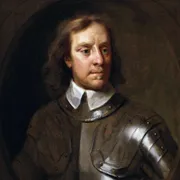 Oliver Cromwell1599–1658
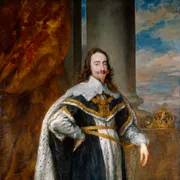 Charles I1600–1649
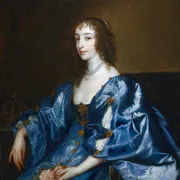 Henrietta Maria1609–1669
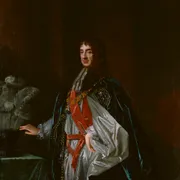 Charles II1630–1685
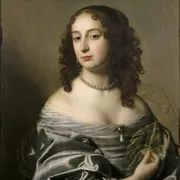 Sophia of Hanover1630–1714
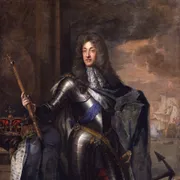 James II1633–1701
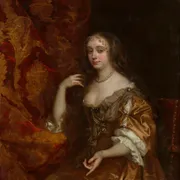 Anne Hyde1637–1671
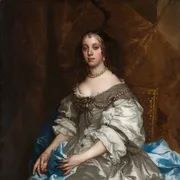 Catherine of Braganza1638–1705
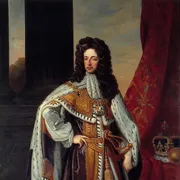 William III1650–1702
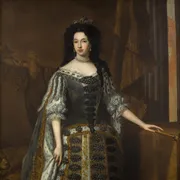 Mary of Modena1658–1718
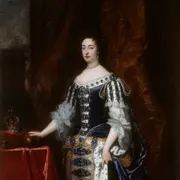 Mary II1662–1694
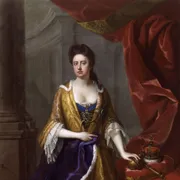 Anne1665–1714
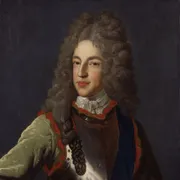 James Francis Edward Stuart1688–1766
Chronica
Chronology
- 160324 March 1603
Union of the Crowns
Elizabeth I died and James VI of Scotland inherited England as James I. England and Scotland now shared a monarch but remained separate kingdoms.
- 16055 November 1605
The Gunpowder Plot
Catholic conspirators plotted to blow up James I at the opening of Parliament; Guy Fawkes was caught guarding the gunpowder beneath the House of Lords. Britain still lights bonfires every 5 November.
- 1611
The King James Bible
The English Bible commissioned by James I was published; its language shaped English for centuries.
- 164222 August 1642
The English Civil War begins
Charles I raised his standard at Nottingham against Parliament. In the war that followed, Cromwell's New Model Army crushed the royalists at Naseby in 1645.
- 164930 January 1649
Execution of Charles I
Charles I was beheaded for treason outside the Banqueting House in Whitehall. The monarchy and the House of Lords were abolished and England became a republic.
- 165316 December 1653
Cromwell becomes Lord Protector
Having dissolved Parliament, Cromwell became Lord Protector of England, Scotland and Ireland, ruling until his death in 1658.
- 166029 May 1660
The Restoration
Charles II entered London on his thirtieth birthday and the monarchy was restored.
- 16662 September 1666
The Great Fire of London
The fire burned for four days, destroying most of the City of London and old St Paul's. Christopher Wren later rebuilt St Paul's and over fifty churches.
- 16885 November 1688
The Glorious Revolution
William of Orange landed at Torbay; James II, deserted by his supporters, fled to France. The next year William and Mary took the throne together.
- 168916 December 1689
The Bill of Rights
The Act forbade the Crown to levy taxes or keep a standing army without Parliament's consent and barred Catholics from the throne — the foundation of constitutional monarchy.
- 170112 June 1701
The Act of Settlement
After the death of Princess Anne's last child, Parliament settled the succession on the Protestant Sophia of Hanover and her descendants.
- 17071 May 1707
The Acts of Union
England and Scotland united as the Kingdom of Great Britain, with a single Parliament.
Personae
People of this Era
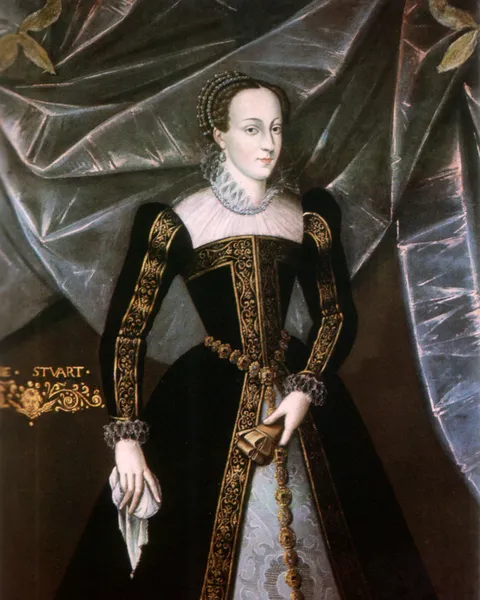 Mary, Queen of Scots1542–1587
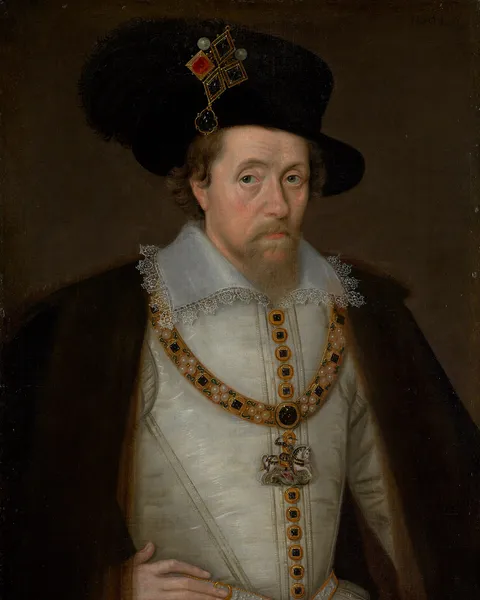 James I1566–1625Biography
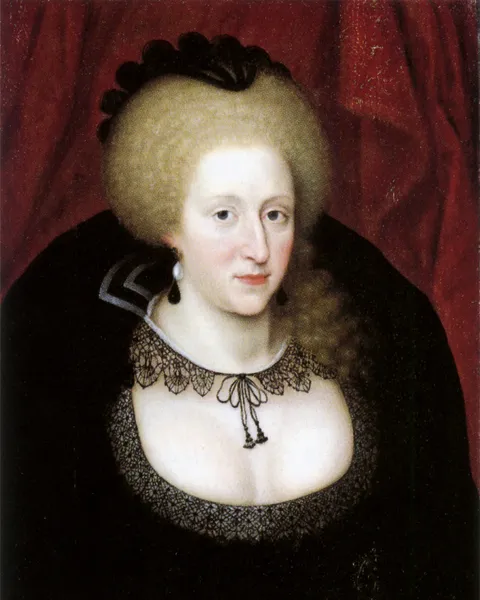 Anne of Denmark1574–1619
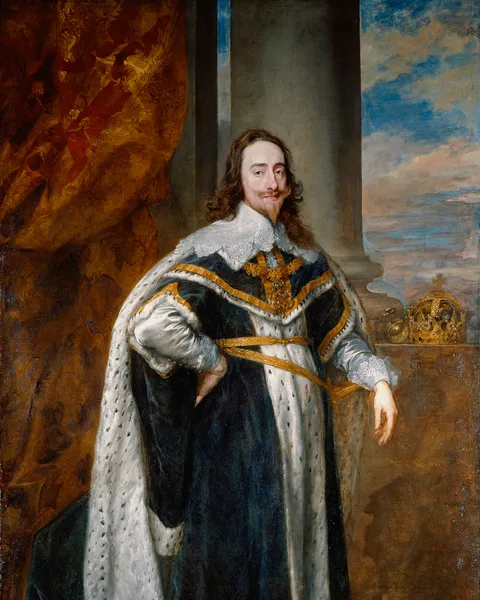 Charles I1600–1649Biography
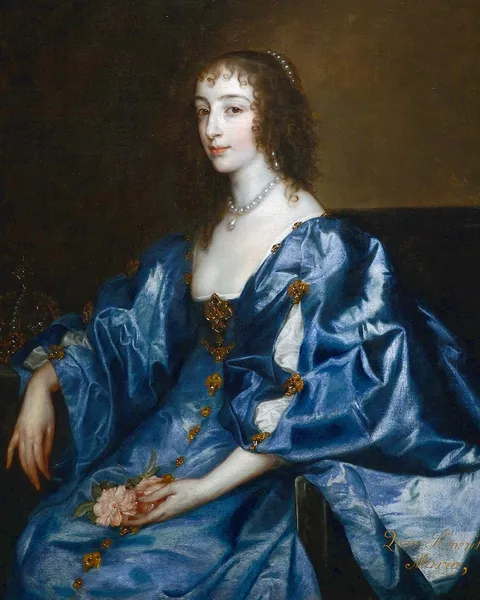 Henrietta Maria1609–1669
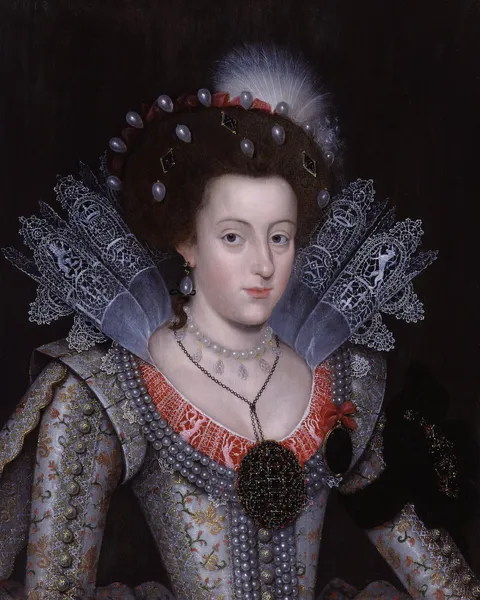 Elizabeth Stuart1596–1662
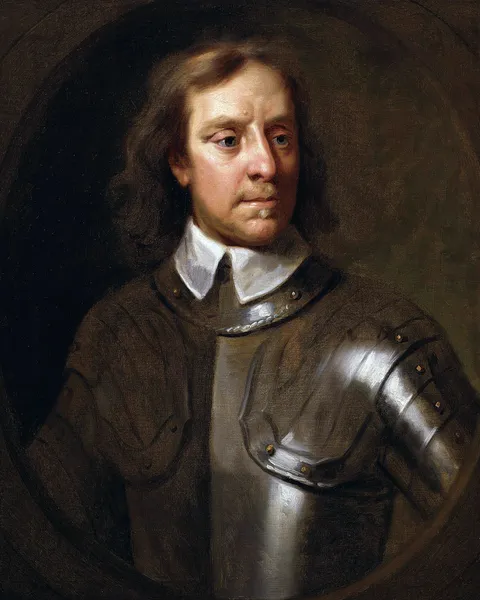 Oliver Cromwell1599–1658
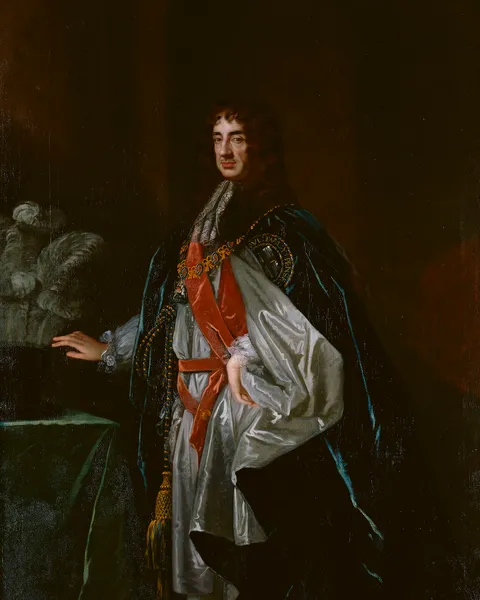 Charles II1630–1685
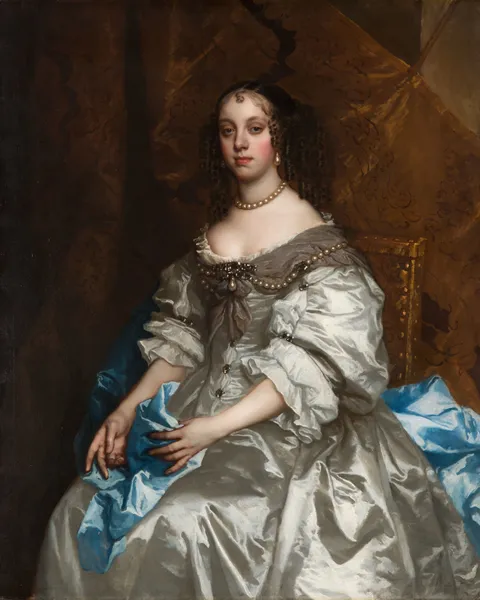 Catherine of Braganza1638–1705
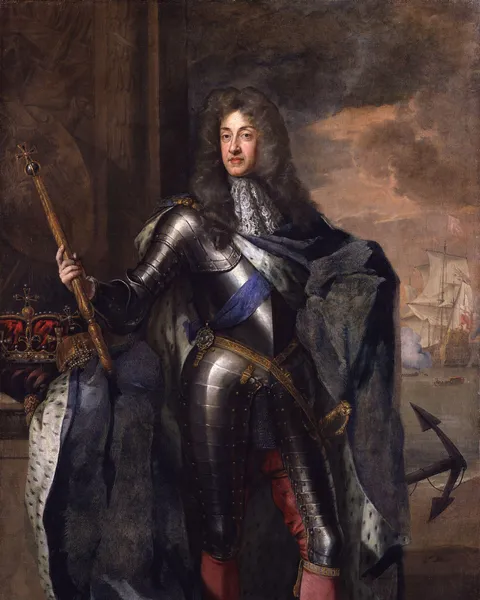 James II1633–1701
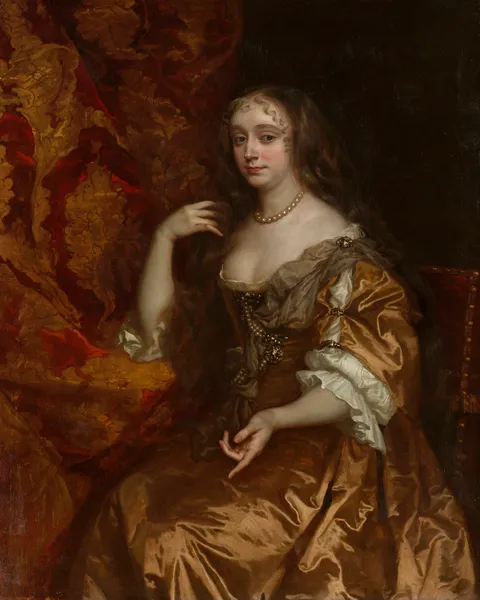 Anne Hyde1637–1671
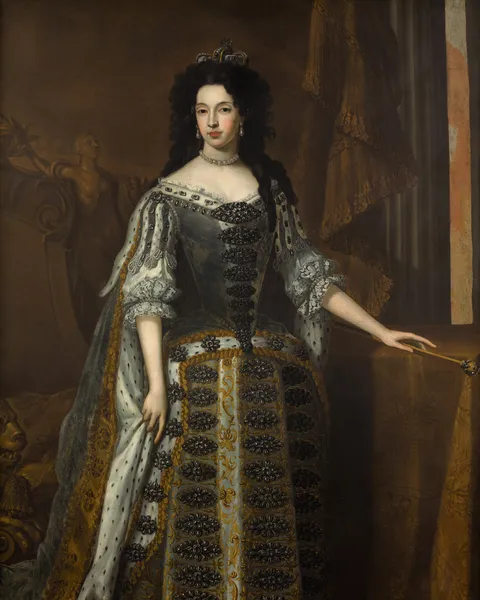 Mary of Modena1658–1718
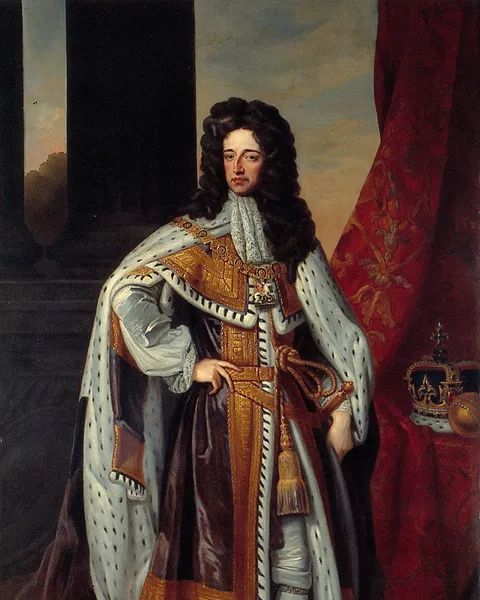 William III1650–1702Biography
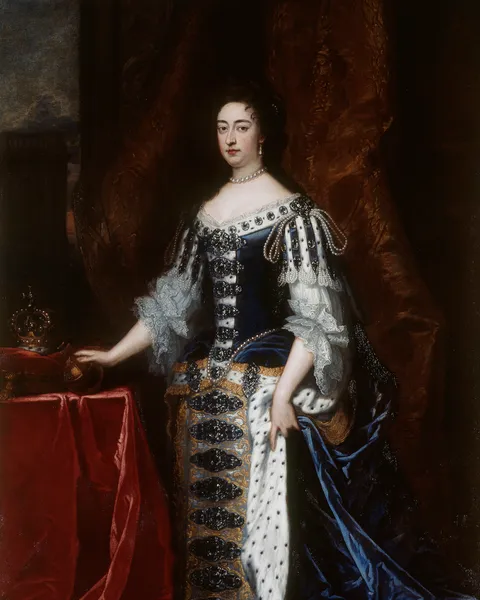 Mary II1662–1694
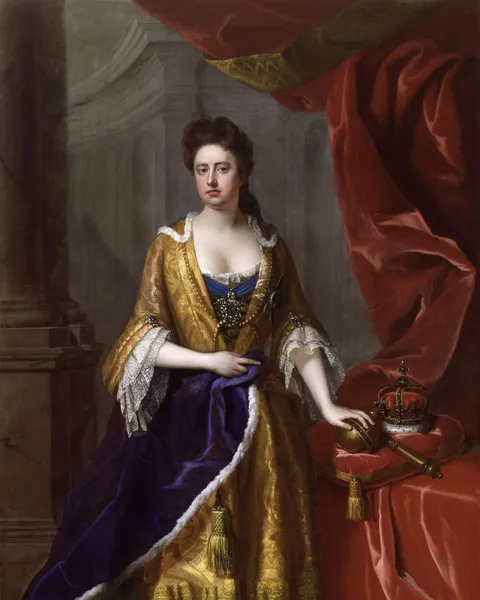 Anne1665–1714
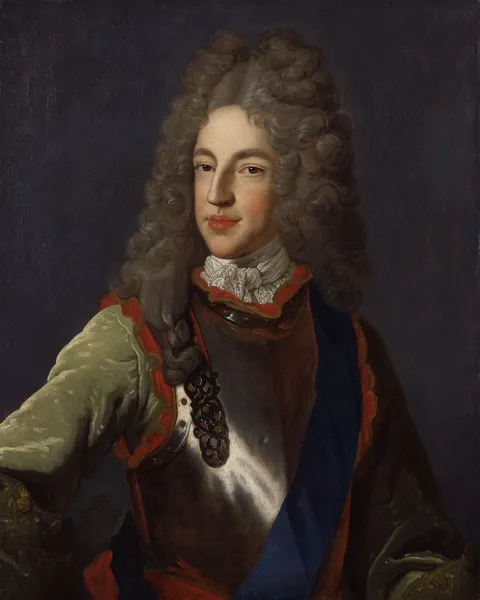 James Francis Edward Stuart1688–1766
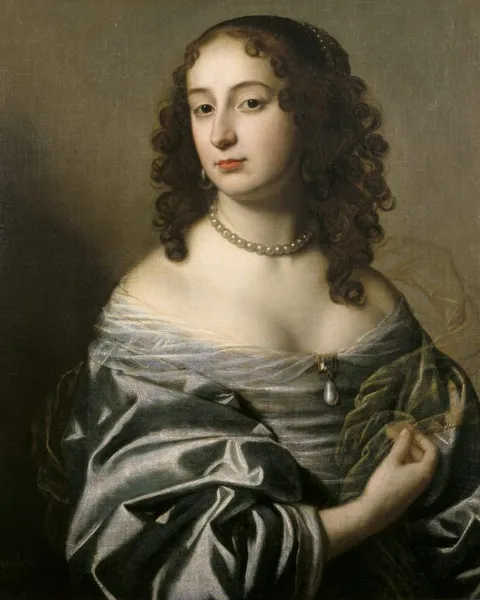 Sophia of Hanover1630–1714