Era VI · 1714–1837
The Hanoverians
The Electors of Hanover came to the British throne and the office of prime minister took shape. Britain lost its American colonies but defeated Napoleon and led the world into the Industrial Revolution.
Overview
Under the Act of Settlement of 1701, the Protestant Elector George of Hanover inherited the British throne as George I. He spoke little English and left much of the business of government to his ministers, so that Robert Walpole is regarded as Britain's first prime minister. In 1745 the Stuart "Bonnie Prince Charlie" raised a rising in Scotland, crushed the next year at Culloden.
In the sixty years of George III's reign Britain defeated France in the Seven Years' War but in 1783 recognised the independence of the United States. In 1801 Great Britain and Ireland were joined in the United Kingdom. After Trafalgar in 1805 and Waterloo in 1815 Britain was the world's leading power, and the Industrial Revolution made it the "workshop of the world". The Reform Act of 1832 widened the vote, and in 1833 Britain abolished slavery throughout its empire.
Imperium
The Changing Map
- Kingdom of Great Britain
- Ireland and Hanover, under the same monarch
- United Kingdom of Great Britain and Ireland
- Hanover (same monarch)
Borders are indicative only, approximated from modern administrative regions.
1714
1714: The Hanoverian union
George I inherited the British throne while remaining Elector of Hanover in Germany. For over 120 years Britain and Hanover shared a monarch, often drawing Britain into Continental wars.
1801
1801: The United Kingdom
After the Irish rebellion of 1798, the Act of Union of 1800 joined Great Britain and Ireland as the United Kingdom of Great Britain and Ireland. The Irish Parliament was abolished and Irish members sat at Westminster; St Patrick's cross was added to the Union Flag.
Stemma
Family Tree
The principal figures of this era. Gold frames mark monarchs of England or Britain; diamonds mark marriages. Select a person to open their entry.
 Sophia of Hanover1630–1714
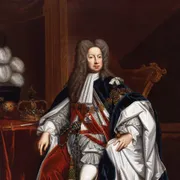 George I1660–1727
 Caroline of Ansbach1683–1737
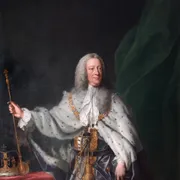 George II1683–1760
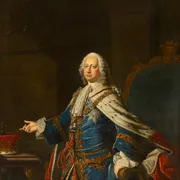 Frederick, Prince of Wales1707–1751
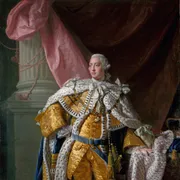 George III1738–1820
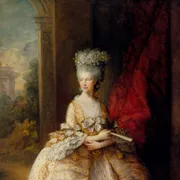 Charlotte of Mecklenburg-Strelitz1744–1818
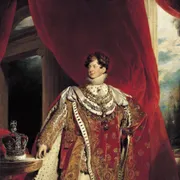 George IV1762–1830
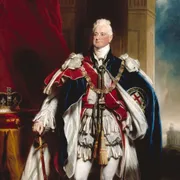 William IV1765–1837
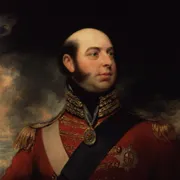 Prince Edward, Duke of Kent1767–1820
 Caroline of Brunswick1768–1821
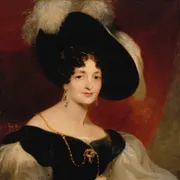 Victoria, Duchess of Kent1786–1861
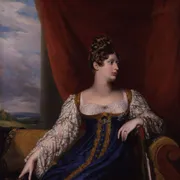 Princess Charlotte of Wales1796–1817
Chronica
Chronology
- 17141 August 1714
The Hanoverian succession
Queen Anne died and, under the Act of Settlement, the Elector of Hanover succeeded as George I.
- 17213 April 1721
Walpole takes office
Robert Walpole became First Lord of the Treasury and led the government for twenty-one years; he is regarded as Britain's first prime minister.
- 174616 April 1746
Battle of Culloden
George II's son the Duke of Cumberland defeated Bonnie Prince Charlie's Jacobites, ending Stuart hopes of restoration.
- 175214 September 1752
Britain adopts the Gregorian calendar
Britain switched to the Gregorian calendar: 2 September was followed by 14 September. British dates on this site before 1752 follow the Julian calendar then in use, as is customary.
- 17764 July 1776
American Declaration of Independence
Thirteen American colonies declared independence from Britain, which recognised the United States in the Treaty of Paris of 1783.
- 179314 September 1793
The Macartney embassy meets the Qianlong Emperor
Lord Macartney, sent by George III, was received by the Qianlong Emperor at Rehe; his requests for wider trade and a resident envoy were refused. It was Britain's first official embassy to China.
- 18011 January 1801
Union with Ireland
Great Britain and Ireland were united in the United Kingdom, and the Union Flag gained the cross of St Patrick.
- 180521 October 1805
Battle of Trafalgar
Nelson's fleet destroyed the combined French and Spanish fleets, though Nelson himself was killed. British command of the sea was assured.
- 18115 February 1811
The Regency begins
George III's mental illness made his son George, Prince of Wales, Prince Regent until he succeeded in 1820.
- 181518 June 1815
Battle of Waterloo
The Duke of Wellington and the Prussians defeated Napoleon at Waterloo in Belgium, ending the Napoleonic Wars.
- 18176 November 1817
Death of Princess Charlotte
The heir to the throne, Princess Charlotte, died in childbirth, leaving George III without a single legitimate grandchild. His sons hurried to marry and produce heirs.
- 18327 June 1832
The Great Reform Act
The Act redistributed seats, abolished "rotten boroughs" and extended the vote to the middle classes, beginning a century of parliamentary reform.
- 183328 August 1833
Abolition of slavery
The Slavery Abolition Act received royal assent, freeing enslaved people in most of the British Empire in stages from the following year.
Personae
People of this Era
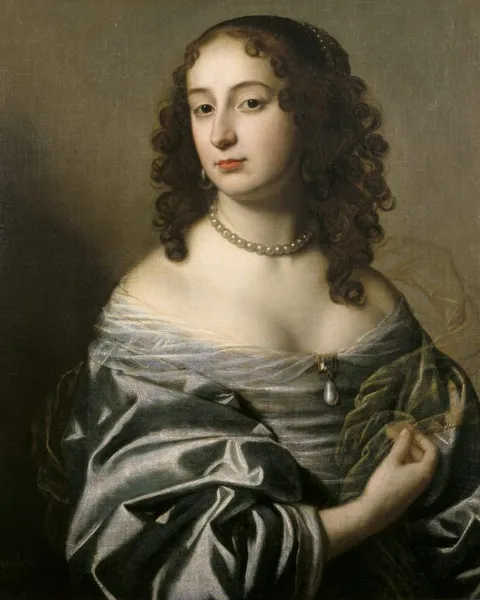 Sophia of Hanover1630–1714
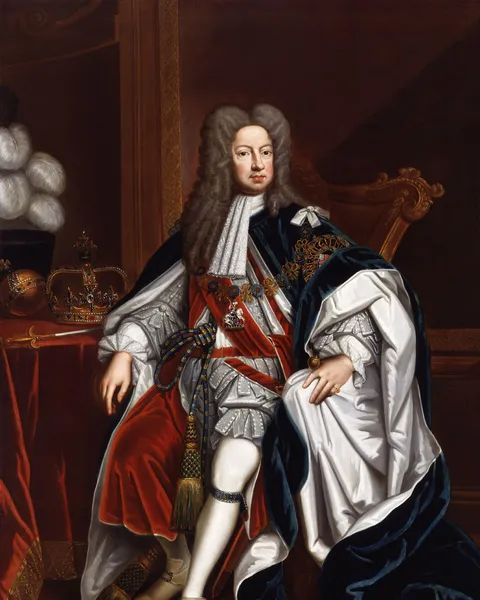 George I1660–1727
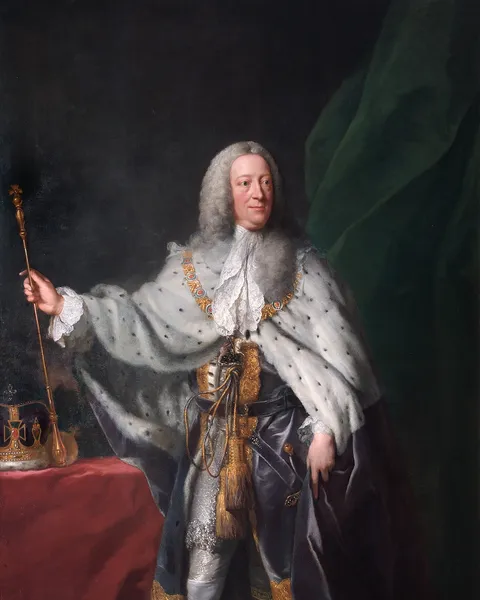 George II1683–1760
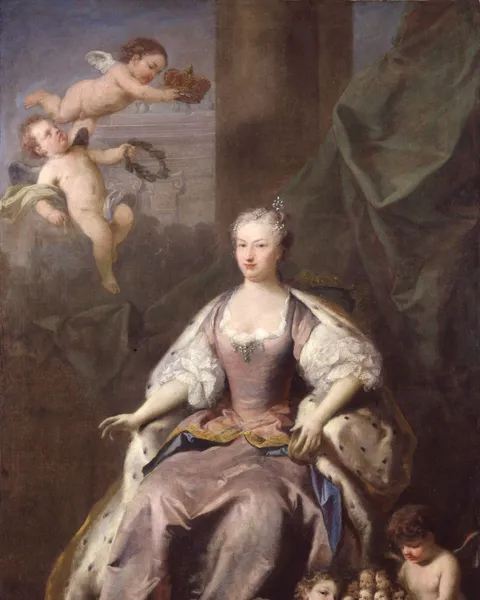 Caroline of Ansbach1683–1737
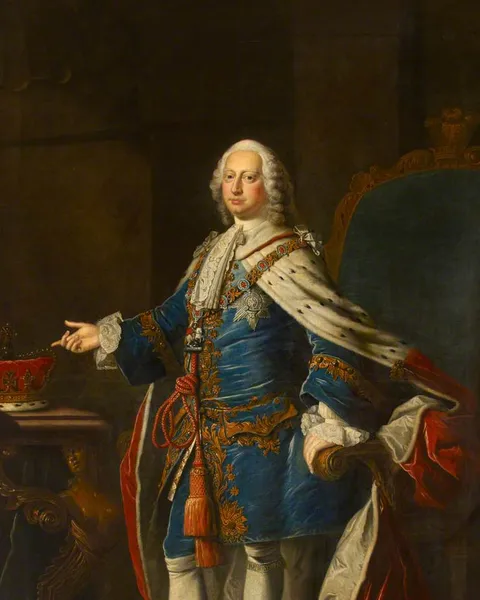 Frederick, Prince of Wales1707–1751
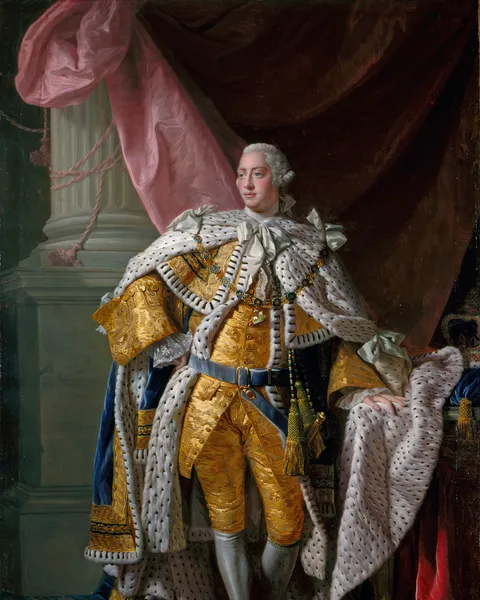 George III1738–1820Biography
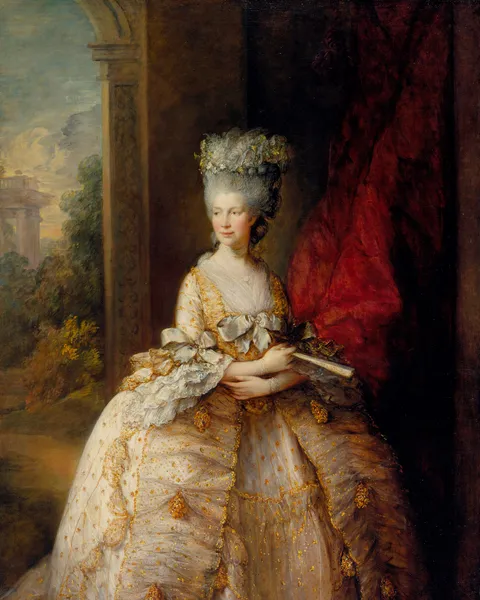 Charlotte of Mecklenburg-Strelitz1744–1818
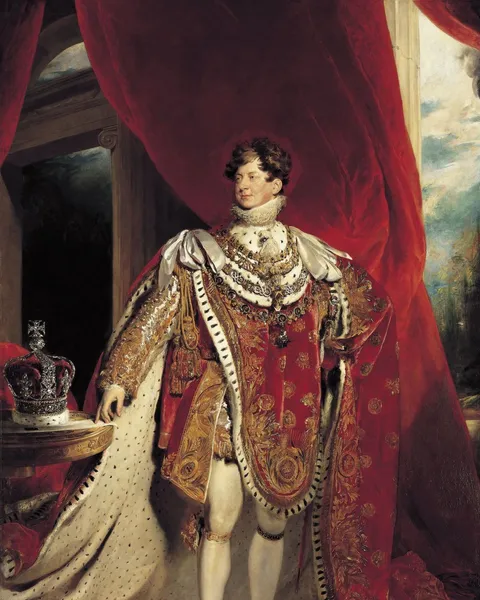 George IV1762–1830
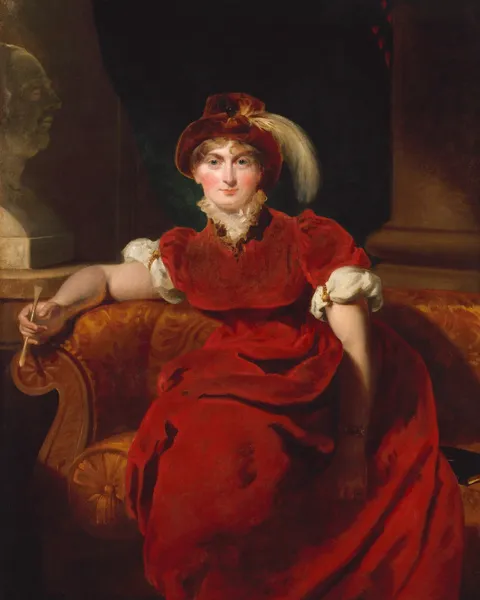 Caroline of Brunswick1768–1821
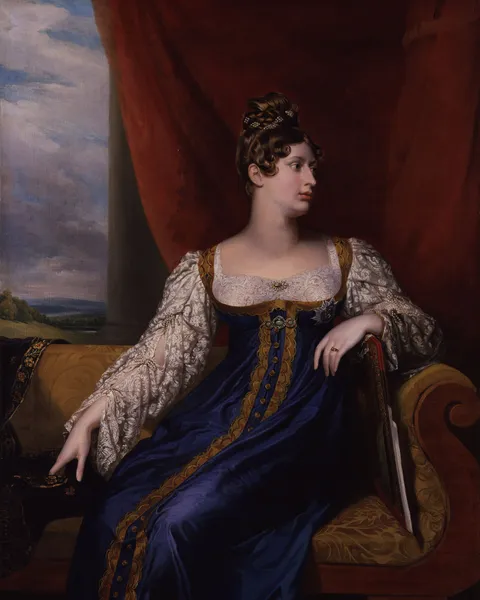 Princess Charlotte of Wales1796–1817
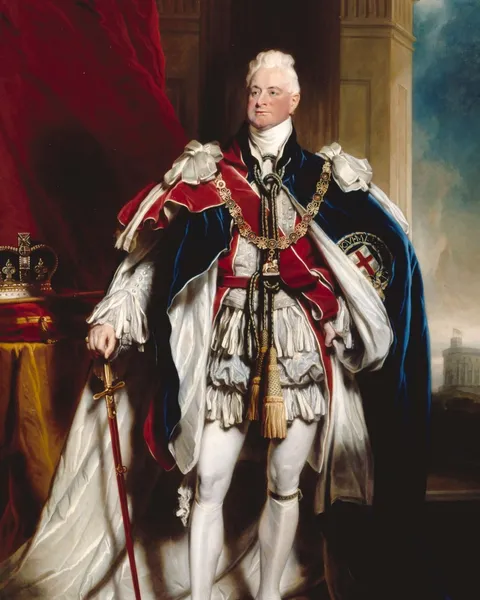 William IV1765–1837
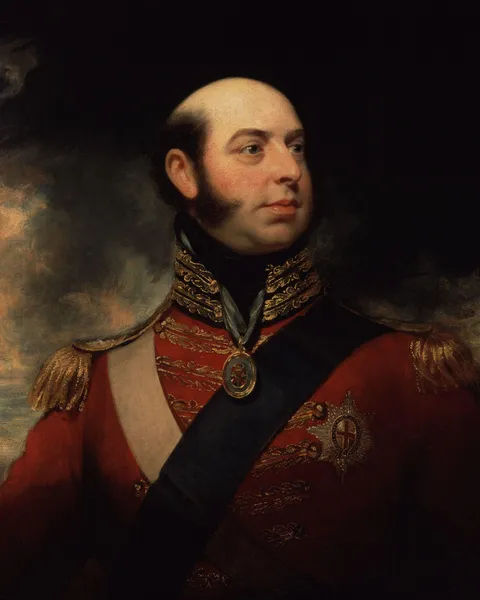 Prince Edward, Duke of Kent1767–1820
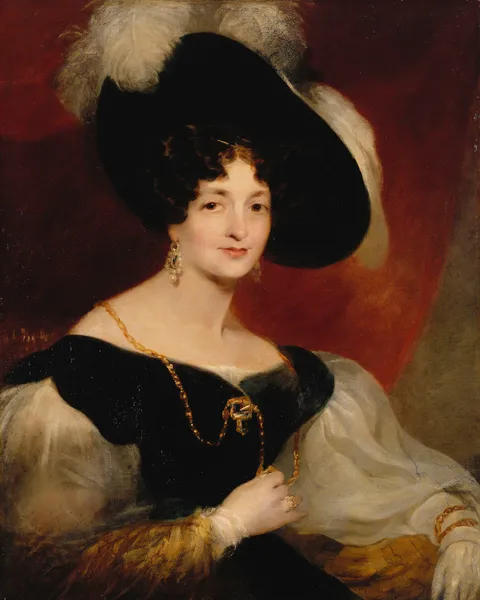 Victoria, Duchess of Kent1786–1861