Era VII · 1837–1918
Victoria to the Great War
Queen Victoria reigned for sixty-three years as the British Empire reached its height — and Hong Kong became a British colony. In the early twentieth century the royal family took the name Windsor and led the nation through the First World War.
Overview
In 1837 the eighteen-year-old Victoria came to the throne. She and Prince Albert had nine children, who married into royal houses across Europe, earning her the name "grandmother of Europe". After the Opium War the Treaty of Nanking in 1842 ceded Hong Kong Island to Britain, and in 1876 she took the title Empress of India. The British Empire came to cover about a quarter of the world's land.
When Victoria died in 1901 she was succeeded by her son Edward VII. George V, king from 1910, led Britain through the First World War. Because the royal house's name, Saxe-Coburg and Gotha, was German, he renamed it Windsor in 1917. When the war ended in 1918 many of Europe's dynasties fell, but the British monarchy survived.
Imperium
The Changing Map
- United Kingdom
- Hanover (separate monarch from 1837)
- United Kingdom (as after 1922)
- Irish Free State (from 1922)
Borders are indicative only, approximated from modern administrative regions.
1837
1837: Parting from Hanover
Hanover allowed only male succession, so when Victoria inherited the British crown her uncle Ernest Augustus became King of Hanover and the personal union ended. Britain's expansion now lay overseas: Hong Kong Island became British in 1842, and under Victoria the empire came to cover about a quarter of the world's land.
1914
1914: On the eve of war
On the eve of the First World War the question of Irish Home Rule had deeply divided the United Kingdom. After the war most of Ireland became the Irish Free State in 1922, while Northern Ireland remained in the United Kingdom.
Stemma
Family Tree
The principal figures of this era. Gold frames mark monarchs of England or Britain; diamonds mark marriages. Select a person to open their entry.
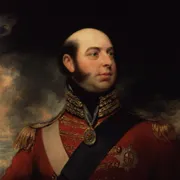 Prince Edward, Duke of Kent1767–1820
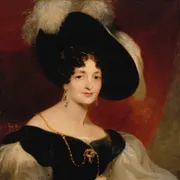 Victoria, Duchess of Kent1786–1861
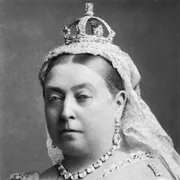 Queen Victoria1819–1901
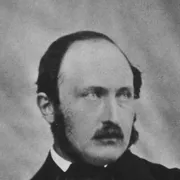 Prince Albert1819–1861
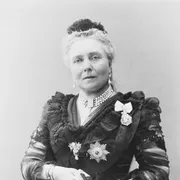 Victoria, Princess Royal1840–1901
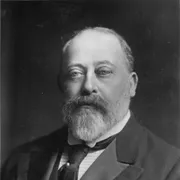 Edward VII1841–1910
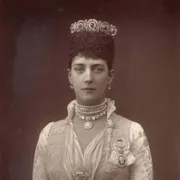 Alexandra of Denmark1844–1925
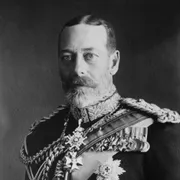 George V1865–1936
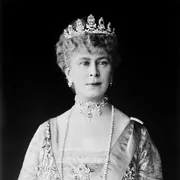 Mary of Teck1867–1953
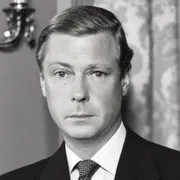 Edward VIII1894–1972
Chronica
Chronology
- 183720 June 1837
Victoria becomes queen
William IV died and the eighteen-year-old Victoria succeeded him. Because Hanover allowed only male succession, the personal union with Hanover ended.
- 184010 February 1840
Victoria marries Albert
The queen proposed to her cousin Albert, and they married at St James's Palace.
- 184126 January 1841
British occupation of Hong Kong Island
During the First Opium War the Royal Navy landed on the north shore of Hong Kong Island and raised the flag at Possession Point, in today's Sheung Wan.
- 184229 August 1842
Treaty of Nanking
Ending the First Opium War, the Qing ceded Hong Kong Island to Britain and opened five treaty ports, including Canton and Shanghai.
- 18511 May 1851
The Great Exhibition
Prince Albert's exhibition opened in the Crystal Palace in Hyde Park, showcasing the achievements of British industry to over six million visitors.
- 186024 October 1860
Convention of Peking
After the Second Opium War the Qing ceded the southern tip of the Kowloon peninsula, extending Hong Kong to Boundary Street.
- 186114 December 1861
Death of Prince Albert
Prince Albert died at Windsor aged forty-two. Victoria was devastated, wore black for the remaining forty years of her life and withdrew from public view for many years.
- 18761 May 1876
Victoria becomes Empress of India
Prompted by Prime Minister Disraeli, the Royal Titles Act gave Victoria the title Empress of India.
- 18989 June 1898
Convention for the Extension of Hong Kong Territory
The Qing leased the New Territories and outlying islands to Britain for ninety-nine years. When the lease expired in 1997, Hong Kong returned to China.
- 190122 January 1901
Death of Queen Victoria
Victoria died at Osborne House on the Isle of Wight aged eighty-one, after sixty-three years on the throne. Her son Edward VII succeeded her.
- 19048 April 1904
The Entente Cordiale
Britain and France settled their colonial disputes, ending centuries of rivalry; Edward VII's visit to Paris the year before had paved the way.
- 19106 May 1910
George V becomes king
Edward VII died and his son George V succeeded him.
- 19144 August 1914
Britain enters the First World War
After Germany invaded Belgium, Britain declared war. George V, Kaiser Wilhelm II and Tsar Nicholas II, monarchs on opposite sides, were all first cousins.
- 191717 July 1917
The House of Windsor
Amid wartime anti-German feeling, George V changed the royal house's name from Saxe-Coburg and Gotha to Windsor, after Windsor Castle.
- 191811 November 1918
The Armistice
The First World War ended. The monarchies of Germany, Austria-Hungary and Russia fell, but the British monarchy survived.
Personae
People of this Era
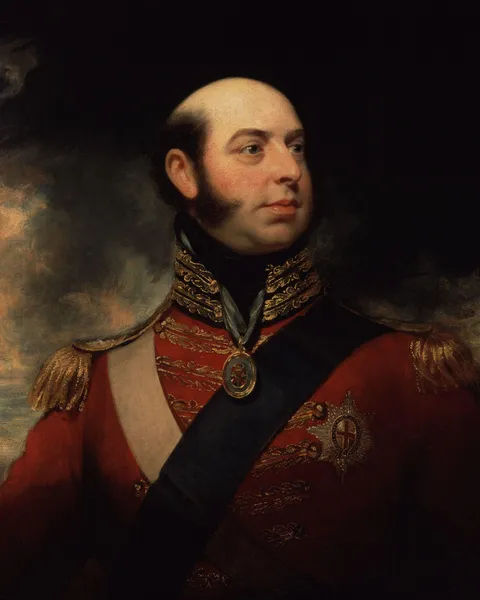 Prince Edward, Duke of Kent1767–1820
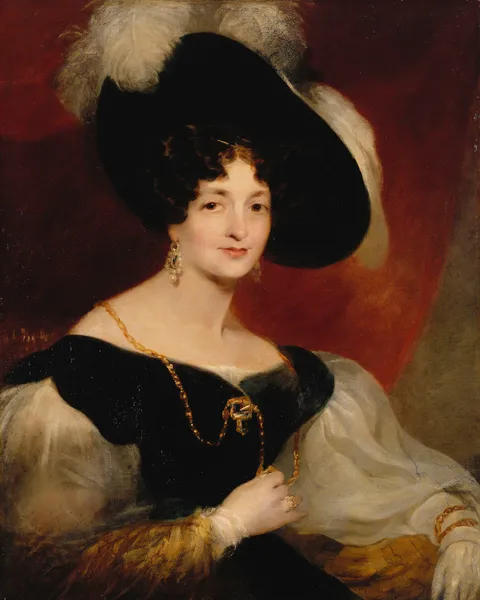 Victoria, Duchess of Kent1786–1861
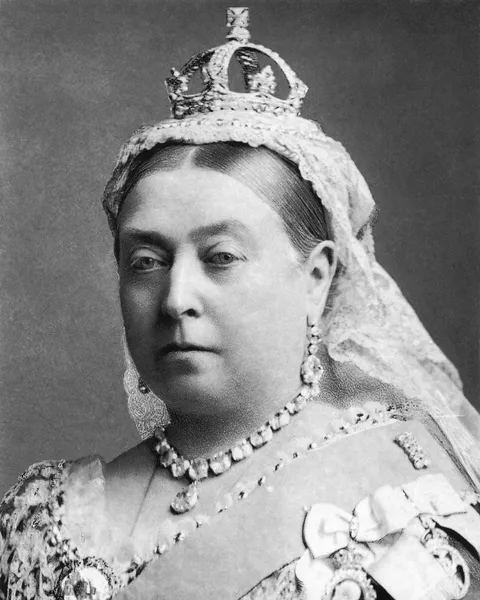 Queen Victoria1819–1901Biography
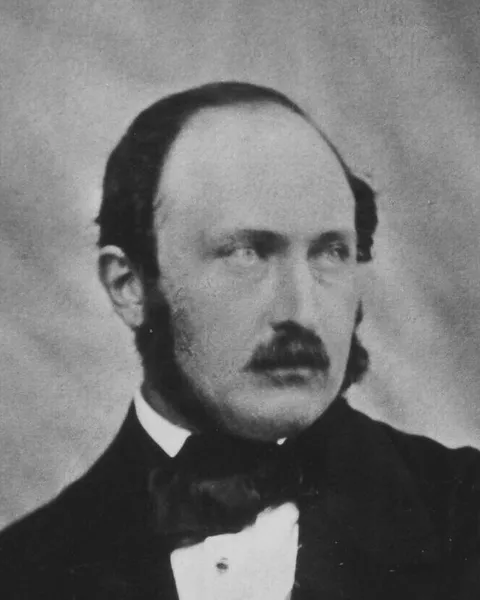 Prince Albert1819–1861
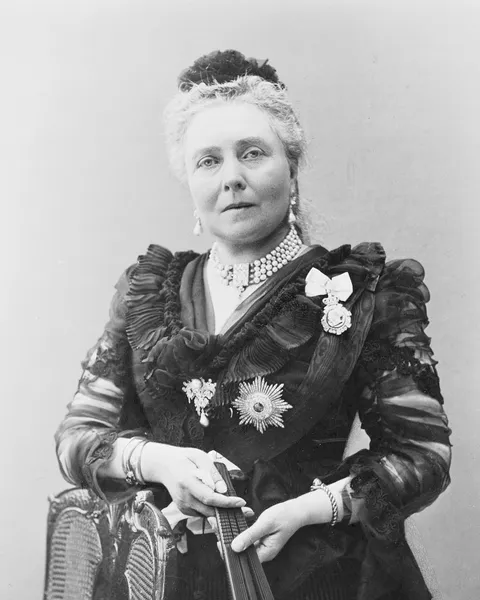 Victoria, Princess Royal1840–1901
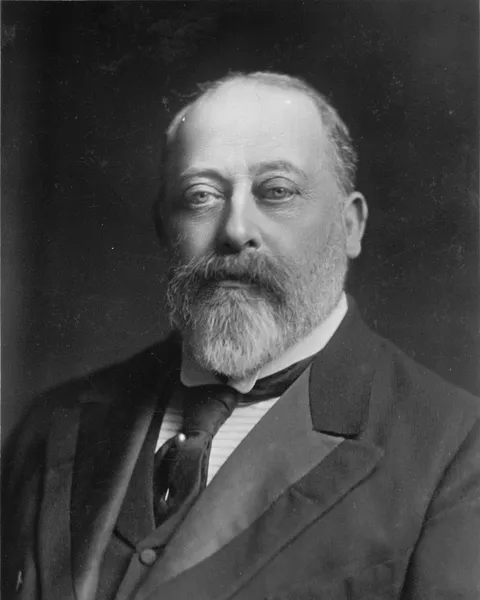 Edward VII1841–1910
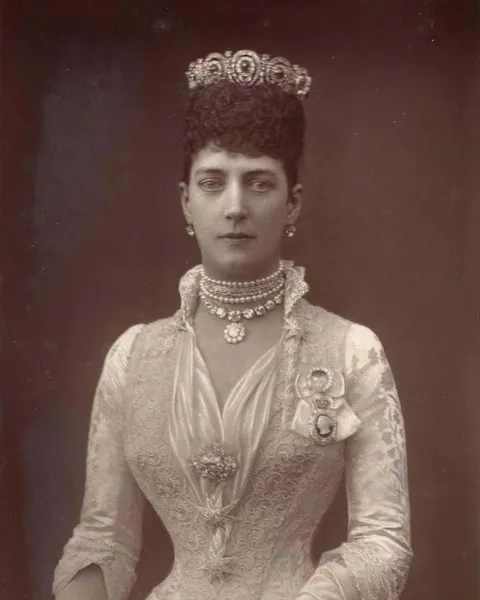 Alexandra of Denmark1844–1925
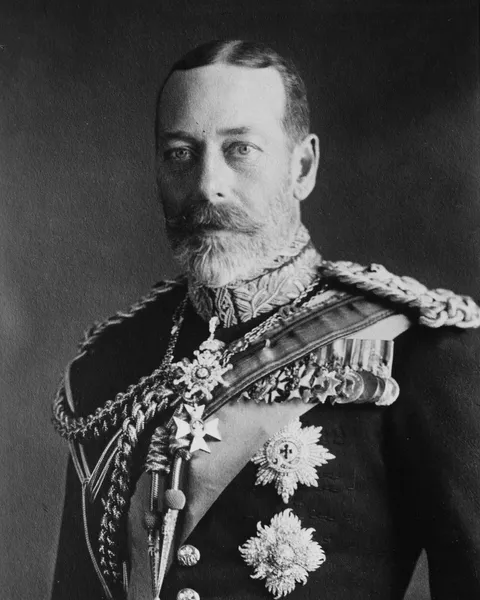 George V1865–1936Biography
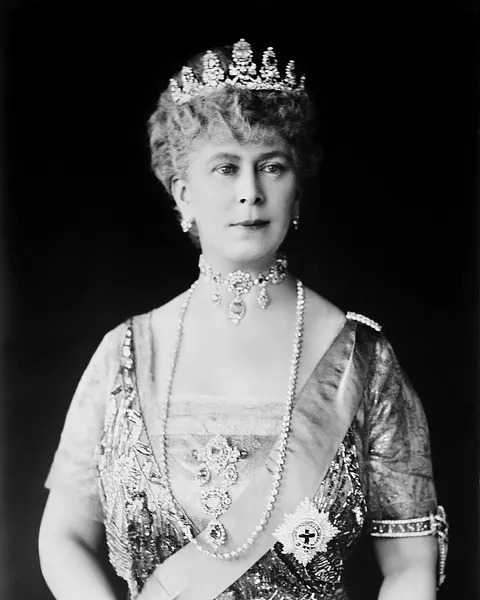 Mary of Teck1867–1953
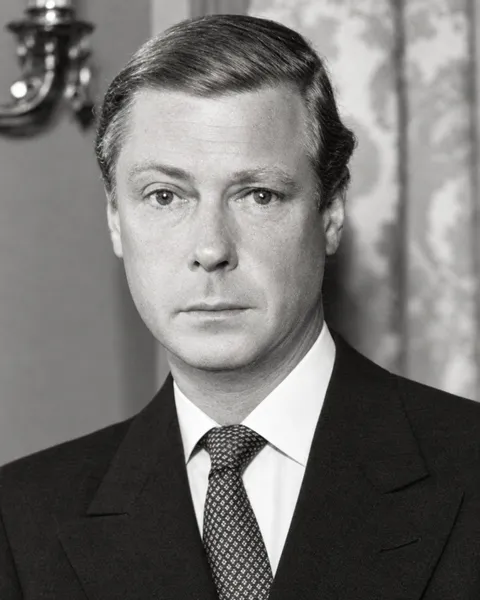 Edward VIII1894–1972