The Princess of Kensington Palace
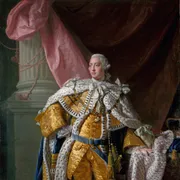
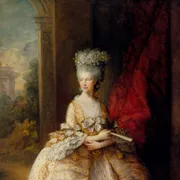
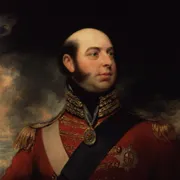
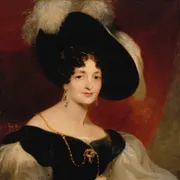
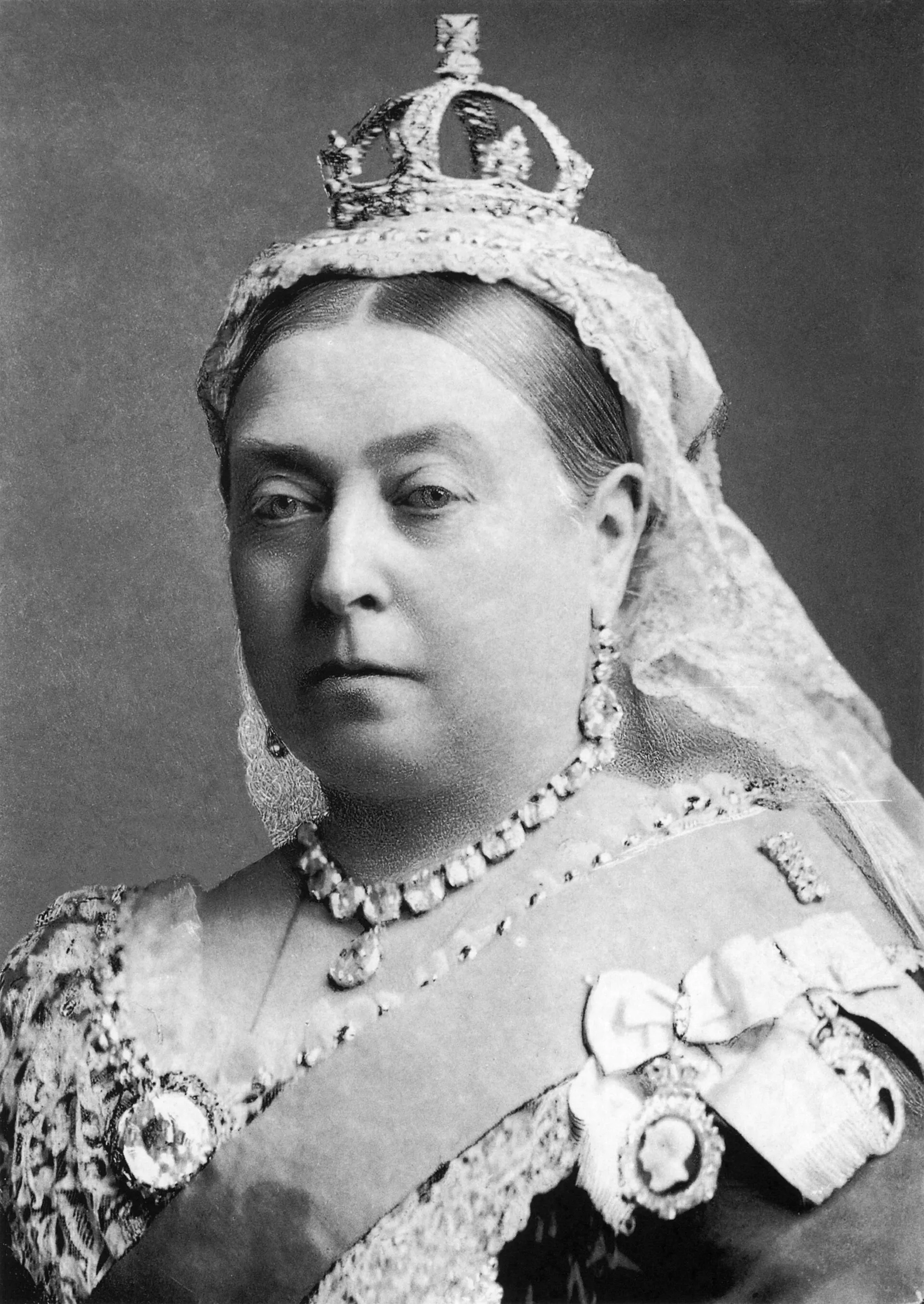
Victoria was born at Kensington Palace in London on 24 May 1819. She owed her existence to the death in childbirth two years earlier of the heir to the throne, Princess Charlotte, which sent George III’s sons hurrying to marry. Her father, the Duke of Kent, died when she was eight months old, and her mother and the comptroller of her household, Sir John Conroy, raised her under the strict “Kensington System”: she was never allowed to meet anyone alone, slept in her mother’s room, and even had to have her hand held going downstairs.
Since none of her three elder uncles had surviving legitimate children, Victoria became heir to the throne. Early on the morning of 20 June 1837 her uncle William IV died, and the eighteen-year-old Victoria became queen. “I will do my utmost to fulfil my duty towards my country,” she wrote in her journal. One of her first acts was to have her bed moved out of her mother’s room.
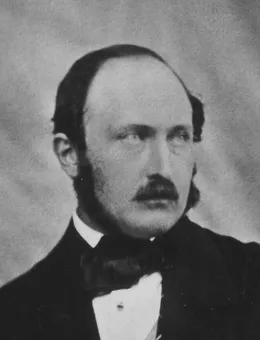
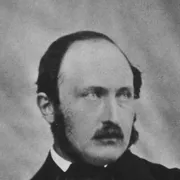
Albert
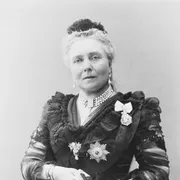
In 1840 Victoria proposed to her cousin, Prince Albert of Saxe-Coburg and Gotha, and they married at St James’s Palace. She wore white, setting the fashion for white wedding dresses. They had nine children, who married into the royal houses of Germany, Russia, Denmark, Greece, Spain and others, earning Victoria the name “grandmother of Europe”. She was also a carrier of haemophilia, which her descendants carried into the Russian and other royal families.
Learned and hard-working, Albert became the queen’s most important adviser. He organised the Great Exhibition of 1851, which displayed the triumphs of the Industrial Revolution in the Crystal Palace in Hyde Park; its profits built the museums and colleges of South Kensington.
The Widow of Windsor
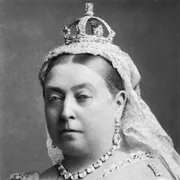
Albert died of illness in December 1861, aged forty-two. Victoria was devastated. For the remaining forty years of her life she wore black, and for many years she withdrew to Windsor, Balmoral and Osborne House on the Isle of Wight, rarely appearing in public. People called her “the Widow of Windsor”, and for a time there were even calls to abolish the monarchy.
From the 1870s, encouraged by Prime Minister Disraeli, the queen gradually returned to public life. She adored Disraeli but disliked Gladstone, complaining that he addressed her “as if I were a public meeting”. Her Golden and Diamond Jubilees of 1887 and 1897 made her once more the symbol of a united empire.
Queen of an Empire
Victoria’s reign saw the British Empire at its greatest extent. After the First Opium War of 1840–42 the Qing ceded Hong Kong Island to Britain; the tip of the Kowloon peninsula followed in 1860, and the New Territories were leased in 1898. Victoria Harbour, the City of Victoria, Queen’s Road and her statue in Victoria Park in Causeway Bay all bear her mark in Hong Kong. After the Indian Rebellion of 1857 the British government took over India from the East India Company, and in 1876 Victoria became Empress of India.
The Victorian Age
Victoria died at Osborne House on 22 January 1901, aged eighty-one, after a reign of sixty-three years and seven months — the longest of any British monarch until 2015. Her eldest son succeeded her as Edward VII.
“Victorian” came to stand for industrial prosperity, imperial expansion, scientific progress and a moral code of family, duty and respectability. The age had its darker side too: poverty in the industrial cities and oppression and war in the colonies stood alongside the glories of empire.