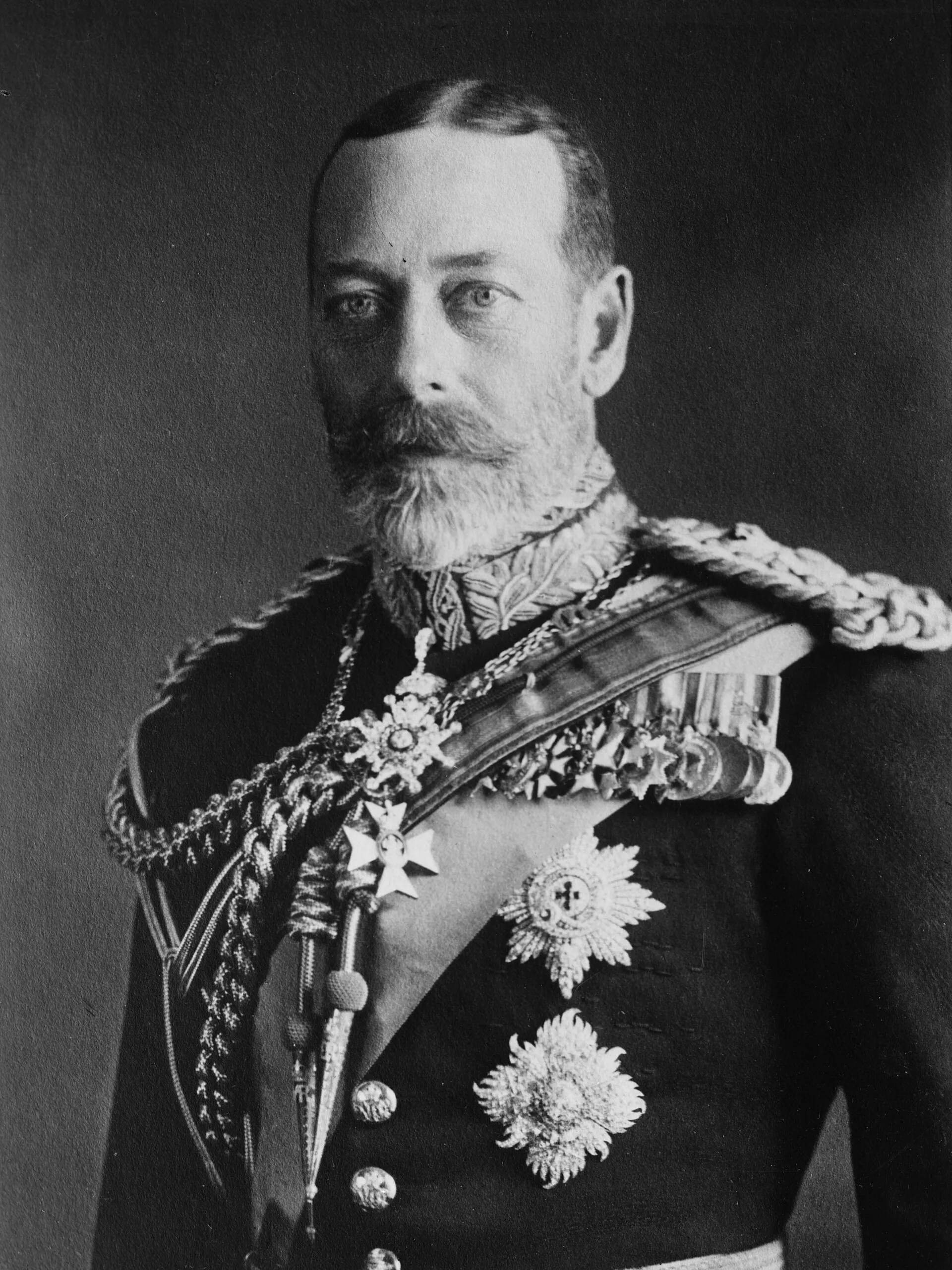
The Sailor Prince
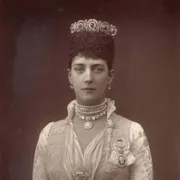
George was born at Marlborough House in London on 3 June 1865, the second son of the Prince of Wales (the future Edward VII) and Alexandra of Denmark, and a grandson of Queen Victoria. With an elder brother, Prince Albert Victor, ahead of him, George had little prospect of the throne, and at twelve he and his brother joined the Royal Navy aboard the training ship Britannia.
From 1879 to 1882 the two brothers sailed round the world in HMS Bacchante, visiting South America, South Africa, Australia and the Far East; in Japan George had a dragon tattooed on his arm. He went on serving in the navy and rose to command his own ship. Naval life made him punctual, tidy and blunt, and he loved the sea and stamp collecting all his life.
The Unexpected Heir
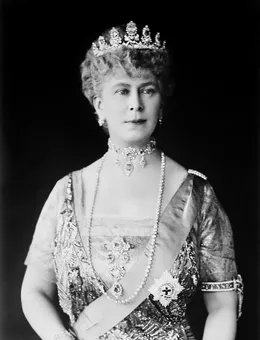
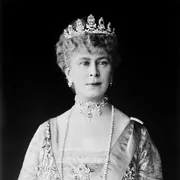
In January 1892 Albert Victor died of influenza a few weeks before his wedding, and the twenty-six-year-old George, now second in line to the throne, had to leave the navy. The next year he married his brother’s fiancée, Mary of Teck. The match was arranged, but the marriage was a happy one, and they had six children, among them the future Edward VIII and George VI.
George lived a plain family life at York Cottage on the Sandringham estate, devoted to shooting and his stamps. He was a strict father; he is supposed to have said, “My father was frightened of his mother, I was frightened of my father, and I am damned well going to see to it that my children are frightened of me.” The remark may be apocryphal, but it captures his image as a stern parent.
Emperor and King
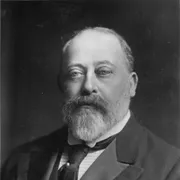
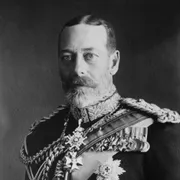
When Queen Victoria died in 1901, George’s father became Edward VII and George became Prince of Wales; on his father’s death in May 1910 George became king. In December 1911 he and Queen Mary travelled to India for the Delhi Durbar, where the Indian princes paid him homage and he announced that the capital would move from Calcutta to Delhi. He was the only British monarch to attend his own coronation durbar in India.
The new reign began with a constitutional crisis. The House of Lords had rejected the Liberal government’s budget, and the Prime Minister, H. H. Asquith, asked the king to promise to create enough Liberal peers, if necessary, to force reform through. George reluctantly agreed, the Lords gave way, and the Parliament Act of 1911 curbed their power to block legislation. Irish Home Rule then brought the country to the brink of civil war; in 1914 George called a conference at Buckingham Palace to seek a settlement, without success.
King at War
The First World War broke out in August 1914. Many of the monarchs on both sides were his relatives: Kaiser Wilhelm II and Tsar Nicholas II were both his first cousins. George made repeated visits to the front in France, to hospitals and to factories; in 1915, inspecting troops in France, he was thrown when his horse took fright and fell on him, fracturing his pelvis, and he was in pain for the rest of his life. He also gave up alcohol for the duration of the war to set an example of thrift.
As anti-German feeling grew, the royal family’s German ancestry became a political liability. In July 1917 George announced that the royal house would change its name from Saxe-Coburg and Gotha to Windsor, after Windsor Castle, and his relatives gave up their German titles. The Kaiser is said to have joked that he was off to see The Merry Wives of Saxe-Coburg-Gotha.
That same year revolution broke out in Russia. The British government at first offered Nicholas II and his family asylum, but George, fearing a public backlash that might endanger his own throne, pressed the government to withdraw the offer. The following year the Tsar and his family were killed in Russia — something George never forgot.
A New World
When the war ended, the imperial houses of Russia, Germany and Austria-Hungary had all fallen, but the British monarchy survived — above all because George adapted to the times. When Labour formed its first government in 1924 he treated its ministers with courtesy, showing that the crown stood above party. During the General Strike of 1926 he urged the government not to inflame the conflict, and in the economic crisis of 1931 he helped bring about the all-party National Government.
On Christmas Day 1932 George spoke by radio to the nation and the Empire in the first royal Christmas broadcast, written for him by Rudyard Kipling; it became a royal tradition. In 1935 he celebrated his Silver Jubilee, marking twenty-five years on the throne, amid celebrations across the Empire — including in Hong Kong, where a new road in the east of the island was named King’s Road.
Legacy
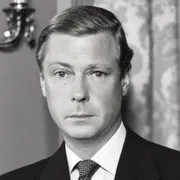
George died at Sandringham on 20 January 1936. His physician’s notes, made public decades later, revealed that the doctor had given him a lethal injection, both to ease his suffering and so that the news could appear in the next morning’s papers. His eldest son, Edward VIII, succeeded him and abdicated within the year to marry. George V was no brilliant king, but his sense of duty and steadiness carried the monarchy through an age of war and revolution, and he shaped the image of monarchy for the twentieth century.