Era I · 1066–1154
The Norman Conquest
At Hastings in 1066 Duke William of Normandy defeated Harold II and became King of England. The Normans remade England with castles, feudal lordship and Domesday Book; their dynasty ended in the civil war known as the Anarchy.
Overview
In September 1066 King Harald Hardrada of Norway landed in Yorkshire; Harold II marched north and destroyed his army at Stamford Bridge. Three days later Duke William of Normandy landed at Pevensey on the south coast. At the Battle of Hastings on 14 October Harold was killed, and on Christmas Day William was crowned King of England in Westminster Abbey.
William secured his rule with castles and knights, crushed rebellion in the north with brutal force, and redistributed the land of England among Norman lords; in 1086 he ordered a survey of land and property across the kingdom, recorded in Domesday Book. Norman French became the language of the court and the nobility, and English absorbed a vast number of French words. With England and Normandy under one ruler, centuries of entanglement between England and France began.
After William's death his second surviving son, William II, took England and his eldest, Robert, took Normandy. In 1100 William II was killed by an arrow while hunting in the New Forest, and the youngest son, Henry I, seized the throne. When the White Ship sank in 1120, drowning Henry's only legitimate son, he named his daughter Matilda as heir. But when Henry died in 1135 his nephew Stephen had himself crowned first, and civil war — the Anarchy — followed. Peace came in 1153, when Stephen recognised Matilda's son Henry as his heir; the next year Henry II founded the Plantagenet dynasty.
Imperium
The Changing Map
- Kingdom of England
- Duchy of Normandy
- Welsh principalities
- Kingdom of Scotland
- England (William II)
- Normandy (Robert)
- Welsh principalities
- Kingdom of Scotland
- Kingdom of England
- Duchy of Normandy
- County of Anjou (Matilda's husband)
- Welsh principalities
- Kingdom of Scotland
Borders are indicative only, approximated from modern administrative regions.
1066
1066: The Norman Conquest
After William's victory at Hastings, England and the duchy of Normandy shared a ruler. Normandy remained a fief of the French king, so the King of England was also the French king's vassal — the start of centuries of Anglo-French entanglement.
1087
1087: The brothers divide
After William I's death his eldest son Robert took Normandy and his third son, William II, England. In 1106 Henry I defeated Robert at Tinchebrai and reunited the two.
1135
1135: On the eve of the Anarchy
Henry I ruled England and Normandy and married his daughter Matilda to Geoffrey, heir to Anjou. When Henry died his nephew Stephen seized the crown, and Geoffrey used the civil war to conquer Normandy, preparing the way for his son Henry II's "Angevin Empire".
Stemma
Family Tree
The principal figures of this era. Gold frames mark monarchs of England or Britain; diamonds mark marriages. Select a person to open their entry.
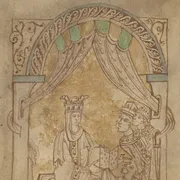 Emma of Normandy985–1052
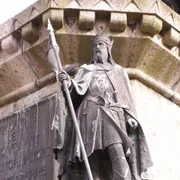 Robert I, Duke of Normandy1000–1035
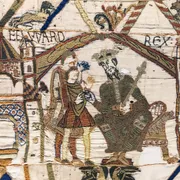 Edward the Confessor1003–1066
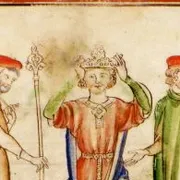 Harold II1022–1066
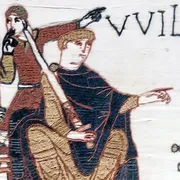 William I1028–1087
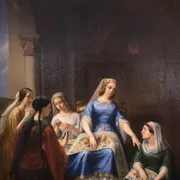 Matilda of Flanders1031–1083
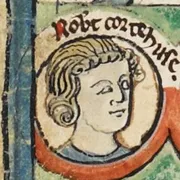 Robert Curthose1051–1134
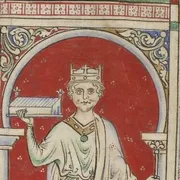 William II1056–1100
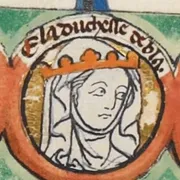 Adela of Normandy1067–1137
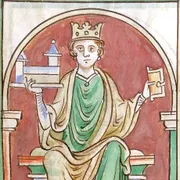 Henry I1068–1135
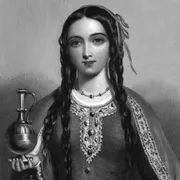 Matilda of Scotland1080–1118
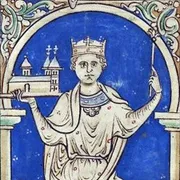 Stephen1092–1154
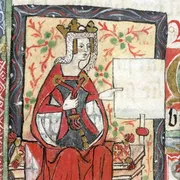 Empress Matilda1102–1167
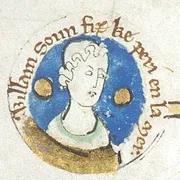 William Adelin1103–1120
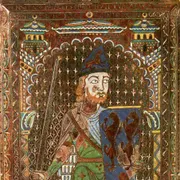 Geoffrey of Anjou1113–1151
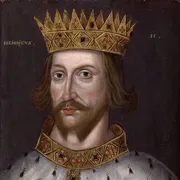 Henry II1133–1189
Chronica
Chronology
- 10666 January 1066
Harold II crowned
Edward the Confessor died on 5 January; the next day Harold Godwinson was crowned at Westminster. Duke William of Normandy began preparing to invade.
- 106625 September 1066
Battle of Stamford Bridge
Harold II marched north at speed and defeated and killed King Harald Hardrada of Norway near York. Three days later William landed in the south.
- 106614 October 1066
Battle of Hastings
Norman cavalry and archers fought Harold's shield wall all day; Harold was killed and the English army broke.
- 106625 December 1066
William crowned King of England
William was crowned in Westminster Abbey. Norman guards outside, mistaking the acclamation for a riot, set fire to nearby houses.
- 1069
The Harrying of the North
After a northern rising, William laid waste to Yorkshire and beyond in the winter of 1069–70, burning villages, livestock and food; many died of famine.
- 1086
Domesday Book
William sent commissioners to survey the land, people and wealth of England; the results became Domesday Book, the most detailed survey of medieval Europe.
- 10879 September 1087
Death of William I
Injured while campaigning at Mantes, William died at Rouen weeks later. Robert received Normandy and William Rufus England.
- 11002 August 1100
William II killed in the New Forest
William Rufus was killed by an arrow while hunting. His brother Henry rode at once to seize the treasury at Winchester and was crowned three days later.
- 110011 November 1100
Henry I marries Matilda of Scotland
The new queen was a Scottish princess descended through her mother from the House of Wessex, helping Henry win English support.
- 110628 September 1106
Battle of Tinchebrai
Henry I defeated and captured his eldest brother Robert and took Normandy, reuniting it with England.
- 112025 November 1120
The White Ship sinks
The White Ship struck a rock off Barfleur and sank, drowning William Adelin, Henry I's only legitimate son, and throwing the succession into crisis.
- 112817 June 1128
Matilda marries Geoffrey of Anjou
The widowed Empress Matilda married Geoffrey, heir to Anjou, at her father's command; their eldest son became Henry II.
- 113522 December 1135
Stephen crowned
Henry I died on 1 December; his nephew Stephen crossed the Channel first and was crowned at Westminster, ignoring Henry's wish that Matilda succeed him.
- 11412 February 1141
Battle of Lincoln
Stephen was defeated and captured. Matilda briefly held London as "Lady of the English", but the Londoners rose against her before she could be crowned; Stephen was freed later that year and the war resumed.
- 1153November 1153
Treaty of Winchester
Stephen made peace with Matilda's son Henry and recognised him as heir, ending the Anarchy.
Personae
People of this Era
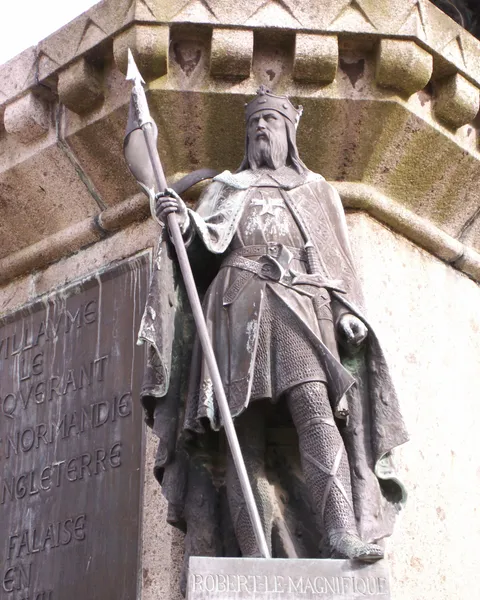 Robert I, Duke of Normandy1000–1035
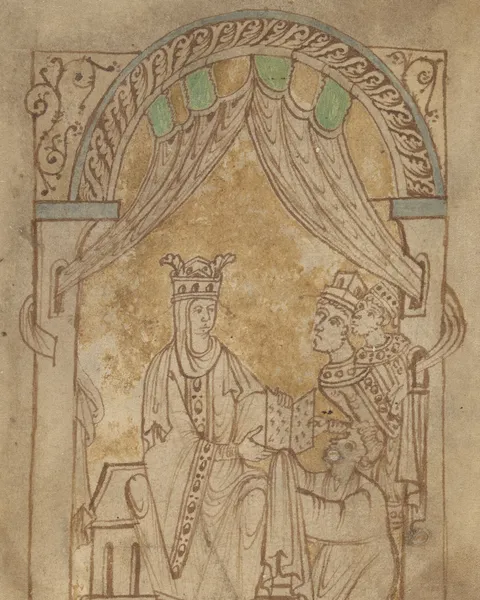 Emma of Normandy985–1052
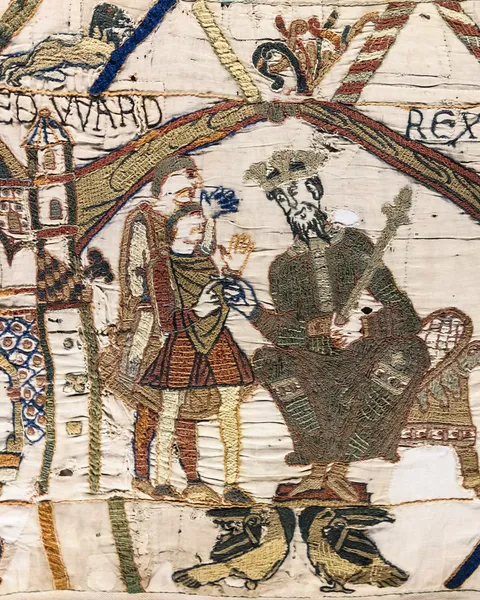 Edward the Confessor1003–1066
 Harold II1022–1066
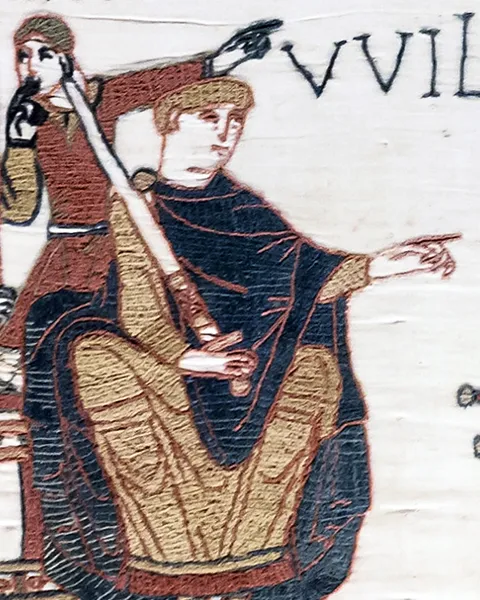 William I1028–1087Biography
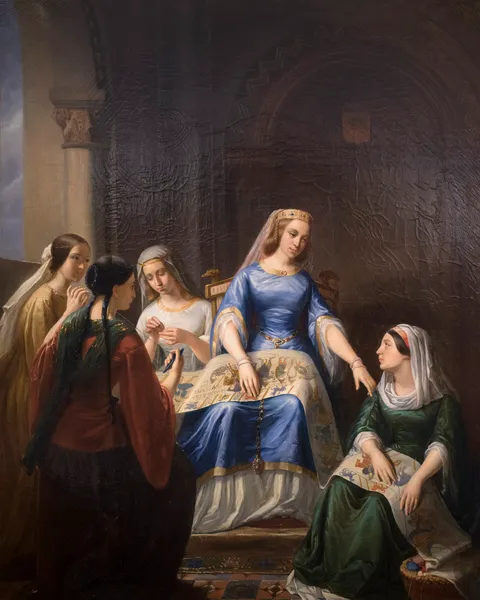 Matilda of Flanders1031–1083
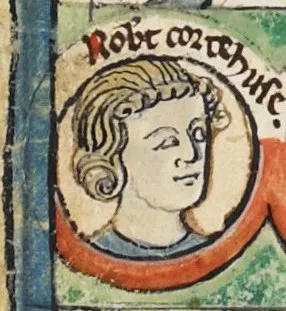 Robert Curthose1051–1134
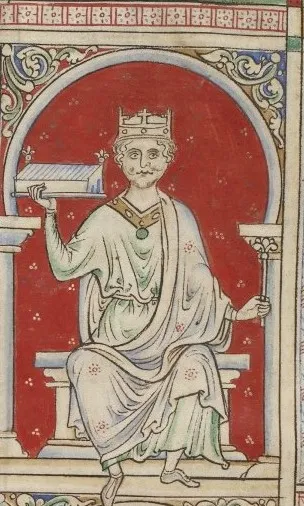 William II1056–1100
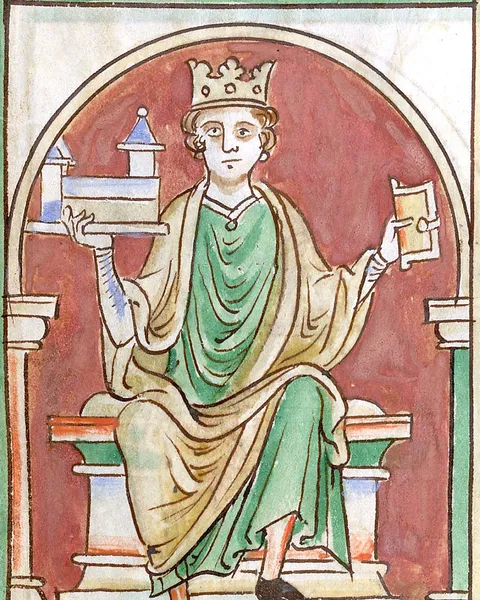 Henry I1068–1135
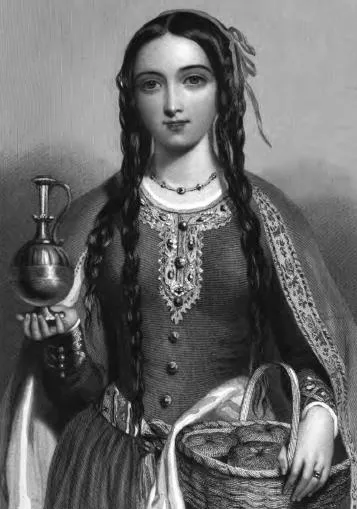 Matilda of Scotland1080–1118
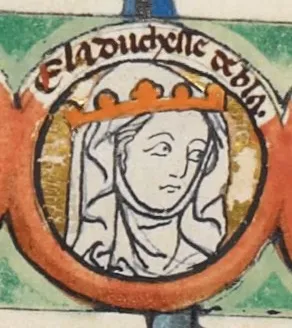 Adela of Normandy1067–1137
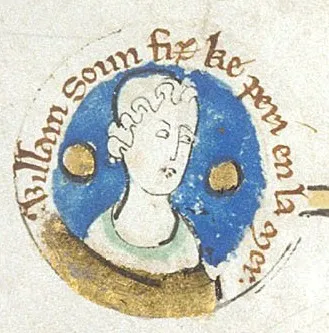 William Adelin1103–1120
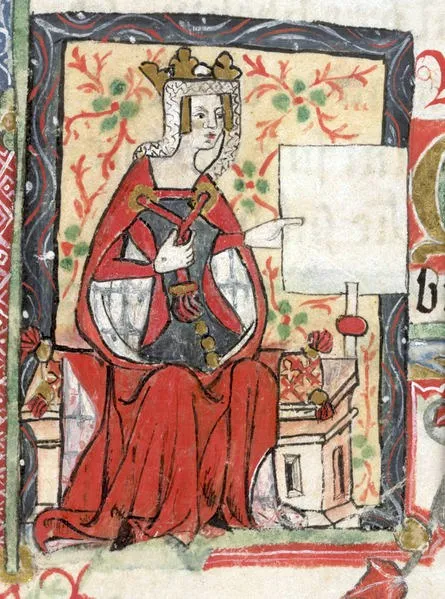 Empress Matilda1102–1167
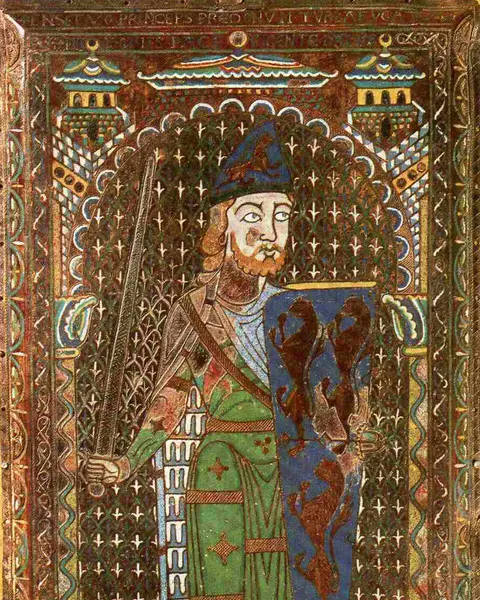 Geoffrey of Anjou1113–1151
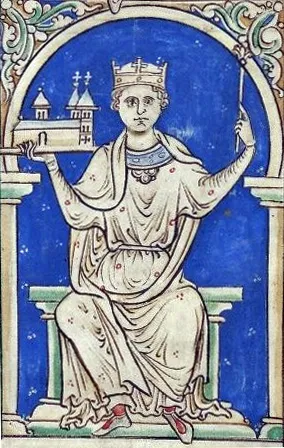 Stephen1092–1154
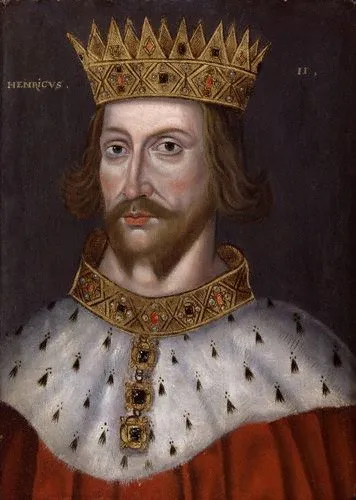 Henry II1133–1189Biography