Era II · 1154–1399
The Plantagenets
Henry II built an "Angevin Empire" spanning England and France; King John sealed Magna Carta and Parliament took shape; Edward III began the Hundred Years' War as the Black Death swept the land.
Overview
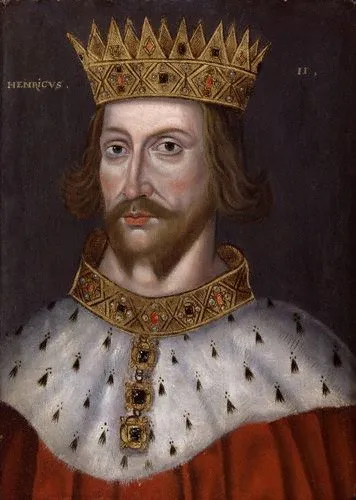
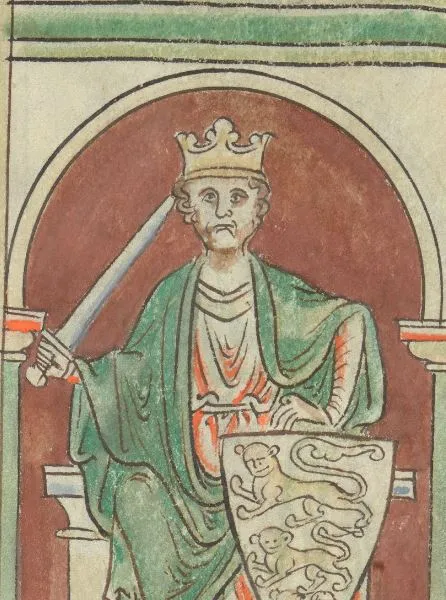
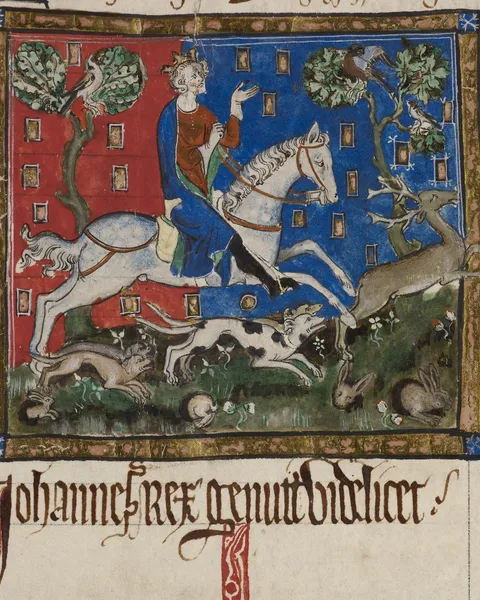
Henry II ruled lands from the Scottish border to the Pyrenees, known as the Angevin Empire. He reformed justice and laid the foundations of English common law, but his quarrel with Thomas Becket, Archbishop of Canterbury, ended with Becket's murder by knights in 1170. His son Richard the Lionheart spent most of his reign on crusade and at war in France; another son, John, lost Normandy in 1204 and in 1215 had to seal Magna Carta, accepting that even the king was bound by law.
In the thirteenth century Parliament began to take shape. Edward I conquered Wales and fought long wars with Scotland. In 1337 Edward III claimed the French throne and the Hundred Years' War began; he won a great victory at Crécy in 1346, but in 1348 the Black Death killed between a third and a half of England's people. Social tensions deepened after the Peasants' Revolt of 1381, and in 1399 Richard II was deposed by his cousin Henry Bolingbroke.
Imperium
The Changing Map
- Kingdom of England
- Angevin lands in France
- Brittany (vassal) and the Lordship of Ireland
- Welsh principalities
- Kingdom of Scotland
- Kingdom of England
- Gascony
- Angevin lands lost
- Lordship of Ireland (English-held)
- Welsh principalities
- Kingdom of Scotland
- England and Wales
- English crown lands in France
- Former Angevin lands still French
- Lordship of Ireland (English-held)
- Kingdom of Scotland
Borders are indicative only, approximated from modern administrative regions.
1189
1189: The Angevin Empire
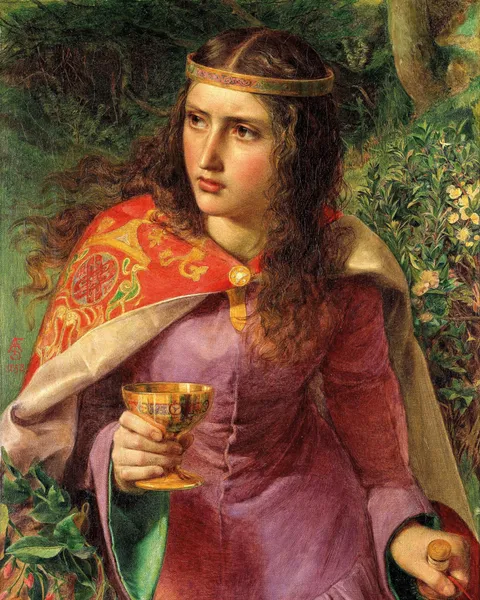
Henry II inherited Normandy and Anjou from his father and gained Aquitaine through his wife Eleanor, ruling lands from the Scottish border to the Pyrenees — more than the King of France himself held directly. In 1171 he went to Ireland to receive the submission of its lords.
1259
1259: Only Gascony remains
King John lost Normandy and Anjou in 1204. In the Treaty of Paris of 1259 Henry III formally gave them up, keeping only Gascony in the south-west, for which he did homage to the King of France as Duke of Aquitaine.
1360
1360: The high point of the Hundred Years' War
Edward I conquered Wales in 1284. After Edward III's victories at Crécy and Poitiers, the Treaty of Brétigny in 1360 gave England an enlarged Aquitaine, Calais and Ponthieu in full sovereignty, in return for which he set aside his claim to the French throne.
Stemma
Family Tree
The principal figures of this era. Gold frames mark monarchs of England or Britain; diamonds mark marriages. Select a person to open their entry.
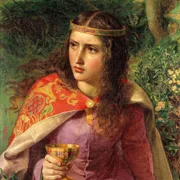 Eleanor of Aquitaine1122–1204
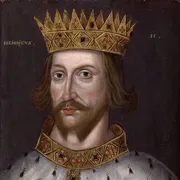 Henry II1133–1189
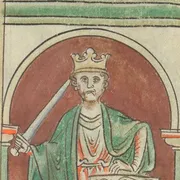 Richard I1157–1199
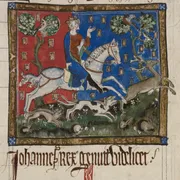 John1166–1216
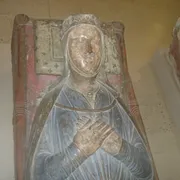 Isabella of Angoulême1188–1246
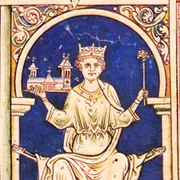 Henry III1207–1272
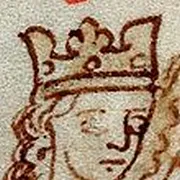 Eleanor of Provence1223–1291
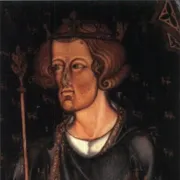 Edward I1239–1307
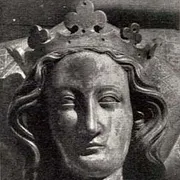 Eleanor of Castile1241–1290
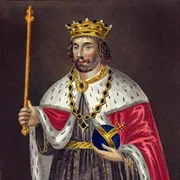 Edward II1284–1327
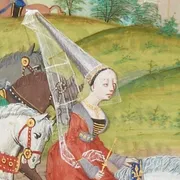 Isabella of France1295–1358
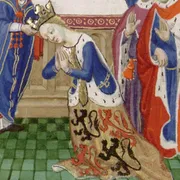 Philippa of Hainault1310–1369
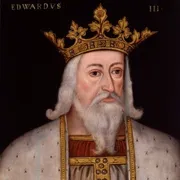 Edward III1312–1377
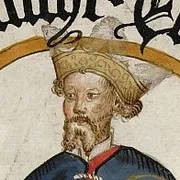 Edward the Black Prince1330–1376
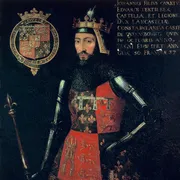 John of Gaunt1340–1399
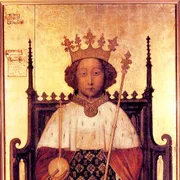 Richard II1367–1400
Chronica
Chronology
- 115419 December 1154
Henry II crowned
After Stephen's death Henry II was crowned at Westminster, founding the Plantagenet dynasty.
- 117029 December 1170
Murder of Thomas Becket
Four knights, believing Henry II wanted the archbishop gone, killed Becket in Canterbury Cathedral. Becket was canonised three years later and Henry did public penance.
- 1192December 1192
Richard I captured in Austria
Returning from crusade, Richard was captured near Vienna by Duke Leopold V of Austria; England had to raise a ransom of 150,000 marks to free him.
- 120424 June 1204
Loss of Normandy
Philip II of France took Rouen and John lost Normandy. English kings now lived mainly in England, and nobles had to choose between England and France.
- 121515 June 1215
Magna Carta
At Runnymede on the Thames John accepted the barons' demands in Magna Carta, promising that no free man would be imprisoned without lawful judgement. It became a lasting symbol of the rule of law.
- 126520 January 1265
Simon de Montfort's Parliament
Having defeated Henry III, Simon de Montfort summoned a parliament that included knights of the shires and representatives of the towns as well as lords and clergy — a forerunner of the House of Commons.
- 12843 March 1284
Statute of Rhuddlan
After the death of Llywelyn, Prince of Wales, Edward I's Statute of Rhuddlan brought Wales under English rule, secured by a ring of castles such as Caernarfon.
- 131424 June 1314
Battle of Bannockburn
Robert the Bruce of Scotland routed Edward II, securing Scottish independence.
- 132725 January 1327
Edward II deposed
After Queen Isabella and Mortimer's invasion, Parliament deposed Edward II in favour of his fourteen-year-old son Edward III — the first formal deposition of an English king.
- 133724 May 1337
The Hundred Years' War begins
Philip VI of France confiscated English Gascony; Edward III claimed the French throne through his mother, beginning a war that lasted on and off until 1453.
- 134626 August 1346
Battle of Crécy
English longbowmen routed a much larger army of French knights; the sixteen-year-old Black Prince fought in the battle. Calais fell to the English the next year.
- 1348
The Black Death reaches England
Plague arrived from the Continent and within two years killed between a third and a half of England's people. The shortage of labour shook the feudal order.
- 135619 September 1356
Battle of Poitiers
The Black Prince defeated the French and captured King John II, the high point of English success in the Hundred Years' War.
- 138114 June 1381
The Peasants' Revolt
Rebelling against the poll tax, peasants marched on London and burned John of Gaunt's palace. The fourteen-year-old Richard II met the rebels and promised reform, then broke his word.
Personae
People of this Era
 Henry II1133–1189Biography
 Eleanor of Aquitaine1122–1204
 Richard I1157–1199
 John1166–1216
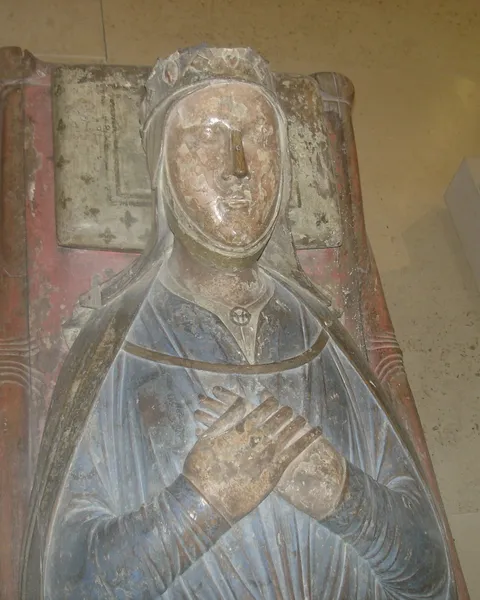 Isabella of Angoulême1188–1246
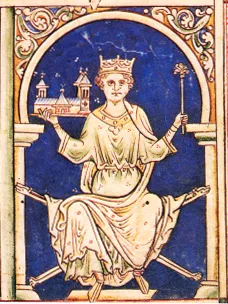 Henry III1207–1272
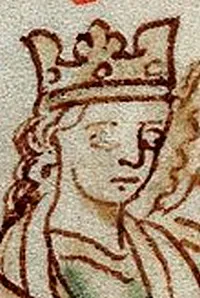 Eleanor of Provence1223–1291
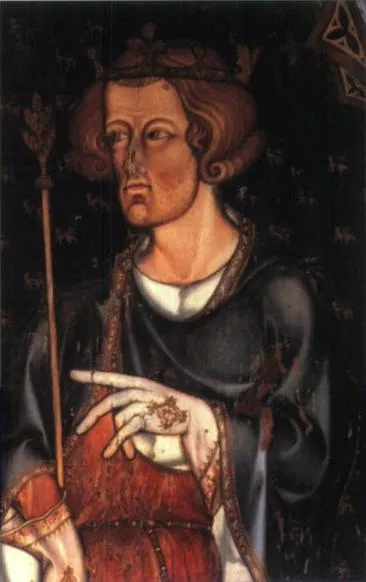 Edward I1239–1307Biography
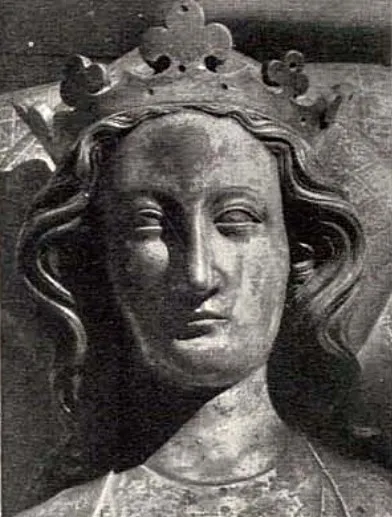 Eleanor of Castile1241–1290
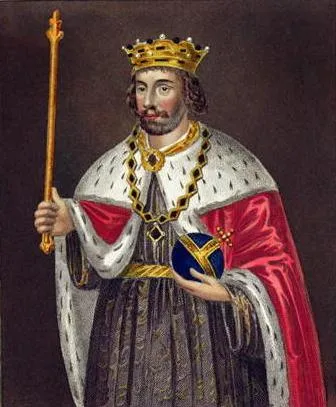 Edward II1284–1327
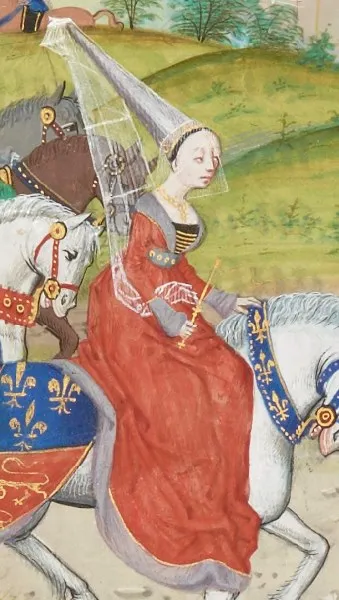 Isabella of France1295–1358
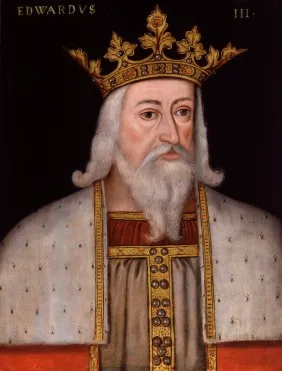 Edward III1312–1377Biography
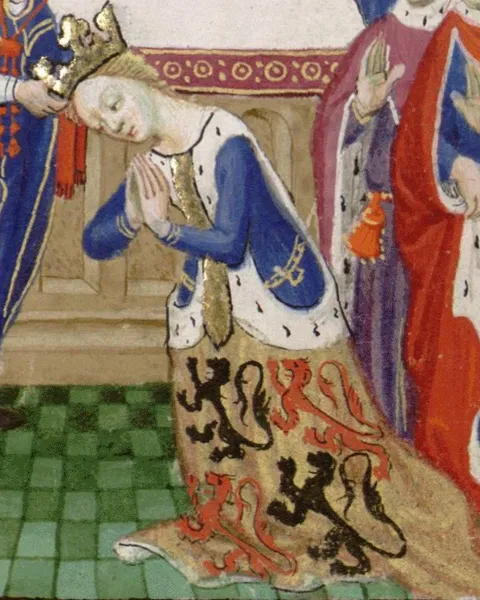 Philippa of Hainault1310–1369
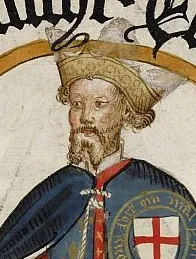 Edward the Black Prince1330–1376
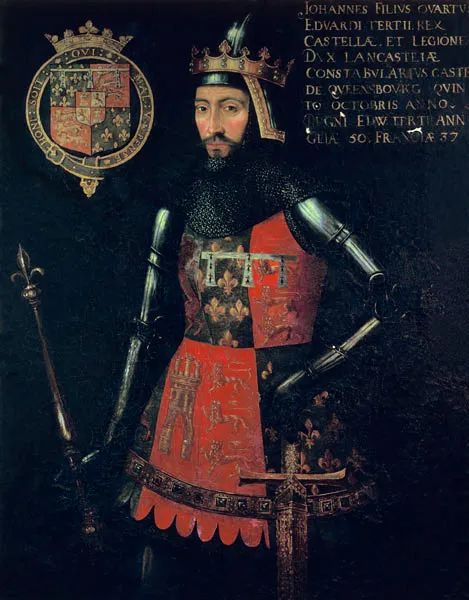 John of Gaunt1340–1399
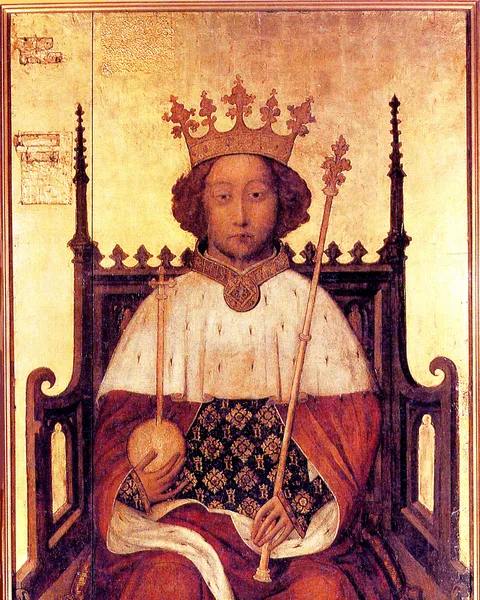 Richard II1367–1400