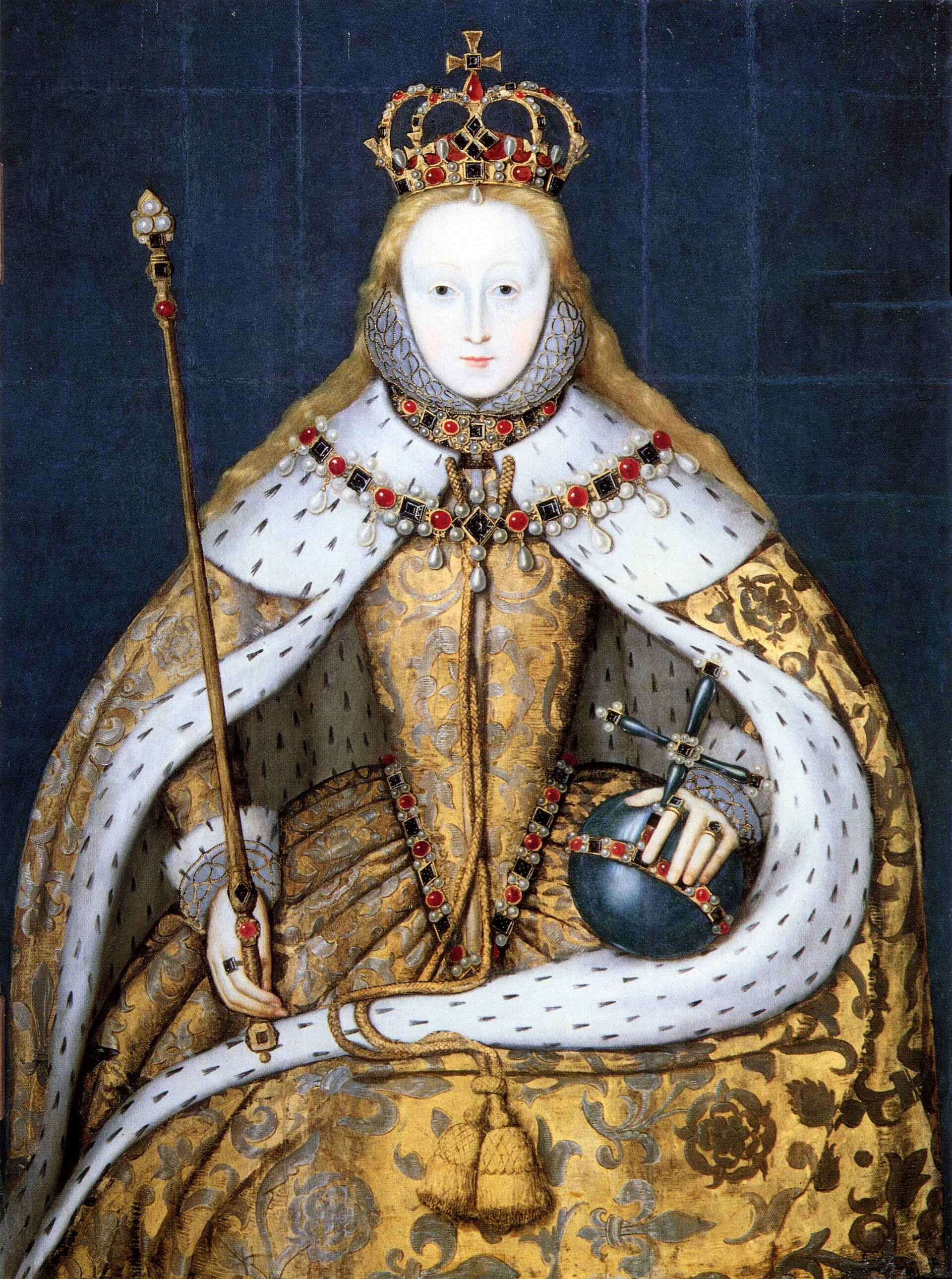

Westminster Abbey
On Christmas Day 1066 William the Conqueror was crowned in Westminster Abbey. With few exceptions, every English and British monarch since has been crowned in the same church, by the Archbishop of Canterbury. Not every king was crowned at all: Edward V, one of the Princes in the Tower, vanished before his coronation, and Edward VIII abdicated before his.
By tradition a new sovereign becomes monarch the moment the old one dies. The coronation does not decide who is king; it confirms royal power in a religious rite. That is why coronations have often taken place months, or more than a year, after the accession.
The Four Parts of the Ceremony
The British coronation has medieval roots, and its basic order is still followed today:
- The Recognition: the archbishop presents the sovereign to the congregation on each side, who acclaim the new monarch;
- The Oath: the sovereign swears to govern according to law, to do justice, and to maintain the Protestant Church of England;
- The Anointing: the archbishop makes the sign of the cross with holy oil on the sovereign’s hands, breast and head — the most sacred moment of the service, traditionally hidden from view beneath a canopy;
- The Investiture and Enthronement: the sovereign receives the orb, sceptres and other regalia, is crowned, then takes the throne and receives the homage of the peers.
The Coronation Chair and the Stone of Destiny
The Coronation Chair in Westminster Abbey was made around 1300 on the orders of Edward I. In 1296 he invaded Scotland and carried off the Stone of Scone, on which Scottish kings had been made, setting it beneath the seat of the chair as a sign of English rule over Scotland. The “Stone of Destiny” stayed in Westminster for seven hundred years. In 1996 the British government returned it to Scotland, though it still travels to London for each coronation. The chair still bears names carved by eighteenth- and nineteenth-century Westminster schoolboys and tourists.
Crowns and Regalia
Most of the crowns and regalia on show at the Tower of London today were made in 1661. After the execution of Charles I in 1649, the republican government, regarding the symbols of monarchy as obsolete, melted down or sold most of the regalia; when Charles II was restored, a new set had to be made, including St Edward’s Crown, used at the moment of crowning. The only medieval piece to survive is the twelfth-century anointing spoon.
In 1671 an Irish adventurer, Colonel Thomas Blood, disguised himself as a clergyman, won the trust of the keeper and tried to steal the crown, but was caught as he fled. Charles II not only pardoned him but granted him lands, for reasons that remain a mystery. In the early twentieth century the Cullinan, the largest gem-quality diamond ever found, was cut, and its largest stone, the Great Star of Africa, was set in the Sovereign’s Sceptre.
Arms and Mottoes
The royal coat of arms combines the emblems of three kingdoms: the three gold lions of England, the red lion rampant of Scotland and the harp of Ireland. The three lions go back to Richard the Lionheart. The two French mottoes on the arms are medieval too: Dieu et mon droit is said to have been Richard I’s battle cry, and Honi soit qui mal y pense is the motto of the Order of the Garter, founded by Edward III around 1348.
Memorable Coronations
Many coronations have not gone to plan. When William was crowned in 1066, the congregation’s shouts made the Norman soldiers outside think a riot had broken out, and they set fire to nearby houses. George IV’s coronation in 1821 was lavish beyond measure, but he had his estranged wife, Queen Caroline, turned away at the door of the Abbey. At Victoria’s coronation in 1838 the archbishop forced the coronation ring, made for her little finger, onto her fourth finger, and afterwards the queen had to soak her hand in iced water to get it off. A coronation is a solemn religious rite — and a miniature of British history.