
Streets That Tell a Story
Many of Hong Kong’s streets, parks, hospitals and schools are named after members of the British royal family. Naming new roads after monarchs and princes was a way for the colonial government both to honour the Crown and to proclaim British rule. Walking through Hong Kong today is like leafing through a history of the British monarchy. Some examples are listed below; the sections that follow introduce the people behind them.
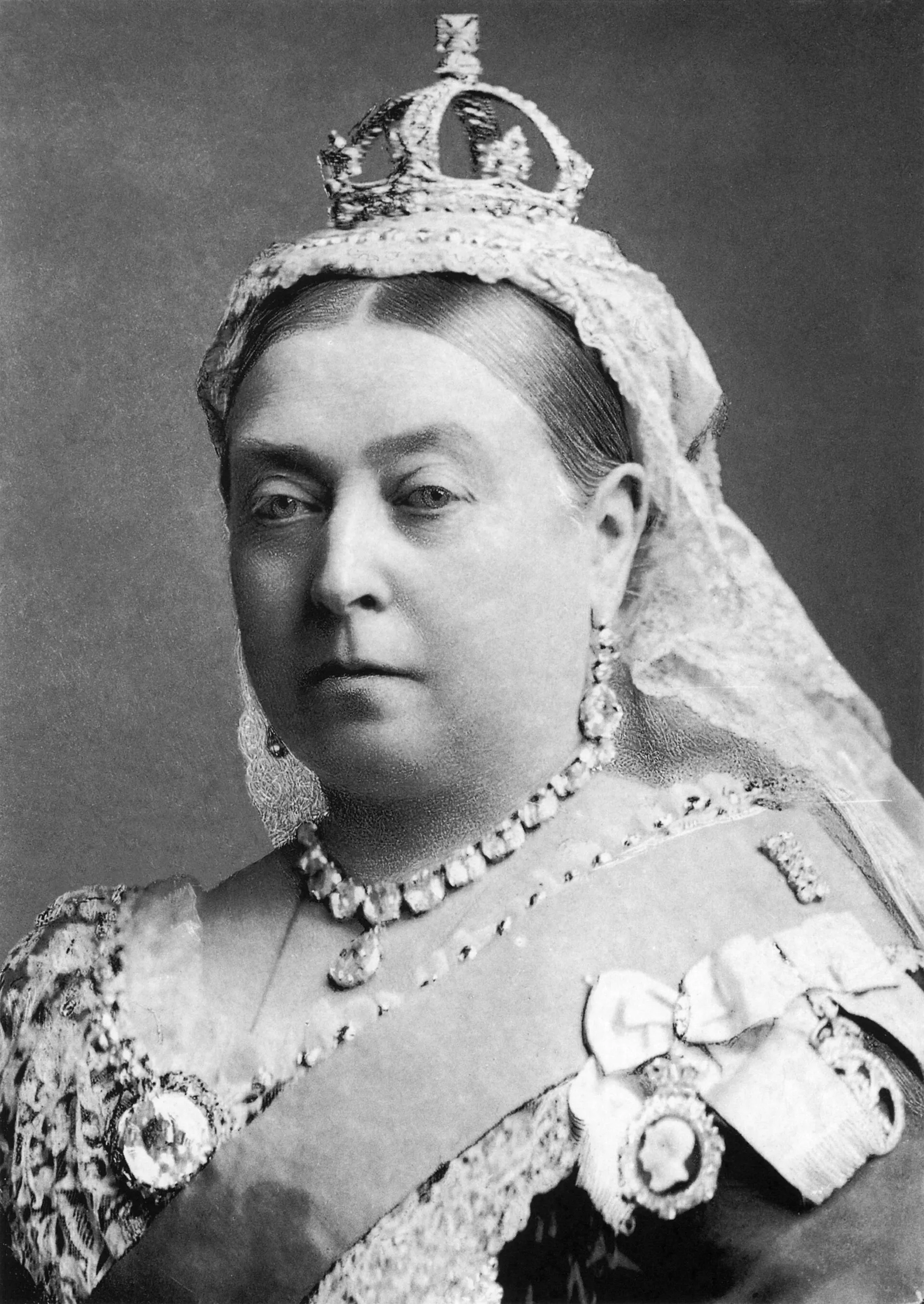
Queen Victoria
Hong Kong became British in Queen Victoria’s reign, and more places are named after her than anyone else. Queen’s Road, laid out in 1842 as Hong Kong’s first main road, honours her. The city on the island’s north shore was called the City of Victoria, and the harbour Victoria Harbour. In 1897, to mark her Diamond Jubilee, a new road in the west of the island was named Victoria Road.
Her statue first stood in Central, in what became Statue Square. Taken to Japan during the occupation and recovered after the war, it was moved in 1955 to the new Victoria Park in Causeway Bay, where it still sits.
The Princes
In 1890 Victoria’s third son, Prince Arthur, Duke of Connaught, visited Hong Kong and laid the foundation for the Central reclamation; the new waterfront road was named Connaught Road. In 1922 Edward, Prince of Wales — the future Edward VIII — visited, and a new road in Kowloon was later named Prince Edward Road.
Kings and Queens
In 1935, to celebrate the Silver Jubilee of George V, a new road in the east of the island was named King’s Road. After his death a school for British children in Kowloon was renamed King George V School. His queen, Mary, gave her name to Queen Mary Hospital in Pok Fu Lam, opened in 1937.
After the Second World War, in the reign of Elizabeth II, more places were named after the royal family, among them Queen Elizabeth Hospital, the Queen Elizabeth Stadium, Princess Margaret Road and Edinburgh Place, named after the Duke of Edinburgh.
Lost in Translation
Readers may notice that Hong Kong’s Chinese place names do not always match the standard Chinese names used on this site:
- The Chinese name of Queen’s Road, 皇后大道, uses 皇后, which means a queen consort. Victoria was a queen regnant, so strictly it should have been 女王大道.
- 域多利, 佐治 and 伊利沙伯 are Cantonese transliterations of Victoria, George and Elizabeth; the standard forms are 維多利亞, 喬治 and 伊莉莎白.
- 英皇, common in Hong Kong, means the British king, not an emperor.
Most of these names were kept after Hong Kong’s return to China in 1997 and have become part of its history. Next time you walk down one of these streets, think of the person — and the story — behind the name.